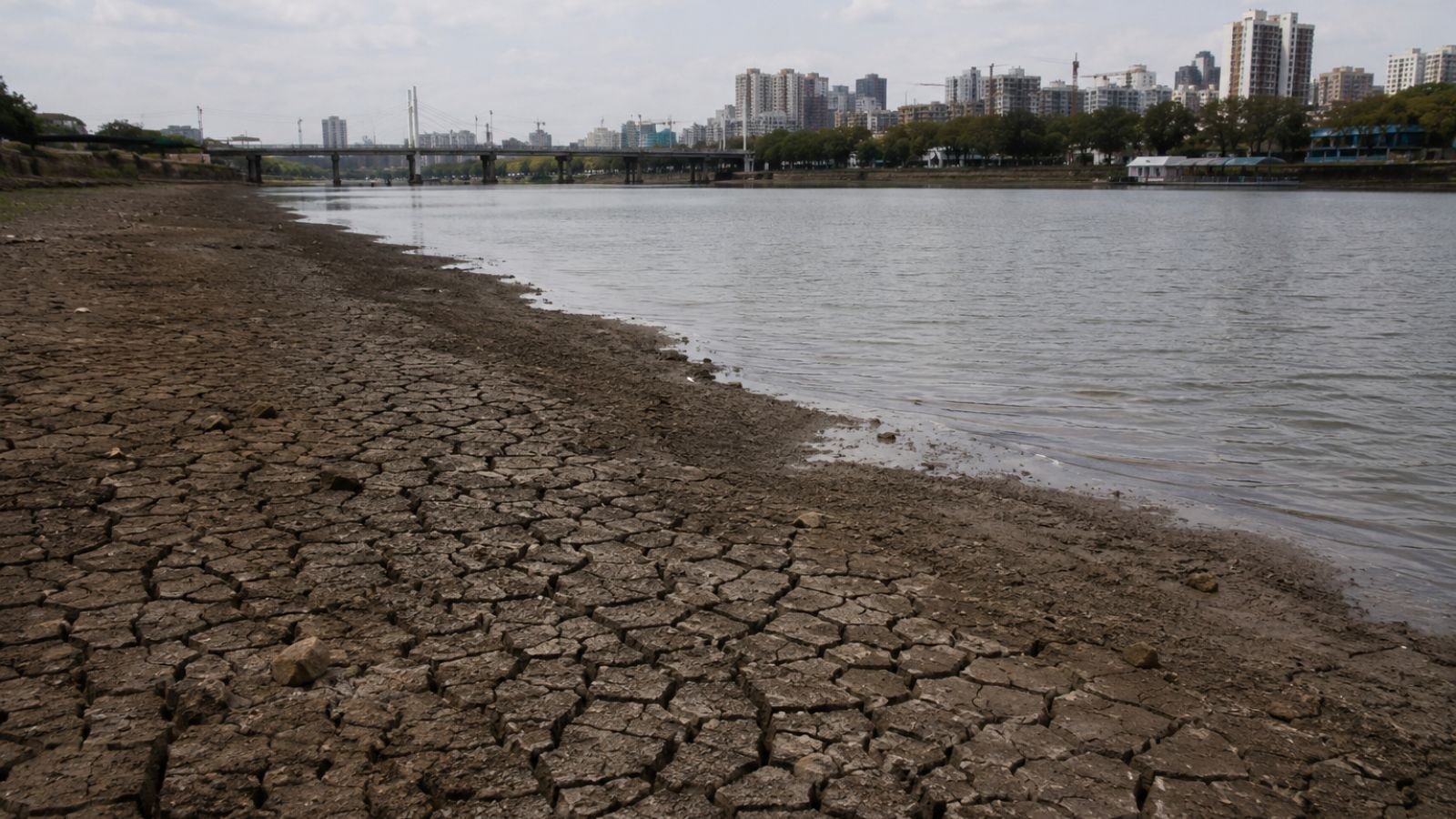
Pune is witnessing one of its most unusual weather events in decades. As of June 17, 2026, the city has recorded zero measurable rainfall during the first half of June, creating a historic dry spell that has not been seen since 1958. Instead of the usual early monsoon showers and cooler temperatures, residents are facing intense heat, high humidity, and uncomfortable weather conditions. According to information provided by the India Meteorological Department (IMD) Pune, the southwest monsoon has stalled, delaying its progress across Western Maharashtra. This delay has left Pune experiencing summer like conditions even in the middle of June. Daily life, public health, outdoor work, and commuting have all been affected as temperatures remain above normal and rainfall continues to stay absent.
Pune Records Historic Dry Spell in June 2026
The most significant aspect of Pune current weather situation is the complete absence of measurable rainfall during the first half of June. The city has experienced a severe monsoon delay, making this one of the driest starts to June in nearly seven decades. The stalled progress of the southwest monsoon has prevented the usual seasonal cooling that residents expect during this period. Instead, Pune remains trapped in a combination of high temperatures and soaring humidity levels. This unusual weather pattern has increased discomfort across the city and raised concerns regarding heat related illnesses, dehydration, and prolonged exposure to extreme weather conditions.
Current Weather Conditions in Pune
Weather conditions across Pune continue to remain challenging.
| Parameter | Current Condition |
|---|---|
| Daily maximum temperature | 35°C to 37°C |
| Rainfall | Zero measurable rainfall in first half of June |
| Outlook | No major rainfall expected over next 4 days |
| Expected relief | Final week of June |
Why High Humidity Is Increasing Health Risks
The Pune Municipal Corporation has advised residents to closely monitor their health during this period. One major concern is the combination of heat and humidity. High humidity reduces the body ability to cool itself because sweat cannot evaporate efficiently. As a result, body temperature rises more rapidly, increasing the risk of heat exhaustion and heatstroke.
| Symptom Type | Signs to Watch For |
|---|---|
| Early warning symptoms | Dizziness, persistent headaches, nausea, muscle cramps, intense fatigue |
| Severe warning signs | Body temperature above 40°C (104°F), rapid heart rate, mental confusion |
| Critical emergency sign | Hot and dry skin despite extreme heat conditions |
Important Hydration Guidelines for Residents
Maintaining hydration is one of the most effective ways to reduce heat related health risks. Residents are advised not to wait until they feel thirsty before drinking water. Regular fluid intake throughout the day remains essential.
| Recommended Fluids | Drinks to Limit |
|---|---|
| Water | Tea |
| ORS solutions | Coffee |
| Fresh lemonade (Nimbu Paani) | Carbonated soft drinks |
| Buttermilk (Taas) | High sugar beverages |
| Coconut water | – |
Daily fluid consumption should ideally reach 3 to 4 litres.
Safety Measures for Outdoor Workers
Outdoor workers remain among the most affected groups during the current heat conditions. Employers and workers are advised to follow practical safety measures to reduce heat exposure and maintain workplace safety.
- Work scheduling: Heavy manual labor should be shifted to early morning or late evening hours. Direct exposure to sunlight between 12:00 PM and 4:00 PM should be avoided
- Rest breaks: Workers should take mandatory breaks of approximately 10 to 15 minutes every hour in shaded or well ventilated areas
- Protective clothing: Wide brimmed hats, light colored clothing, loose cotton garments, and damp cloth coverings for the head and neck
Travel and Commuter Safety During the Heat Wave
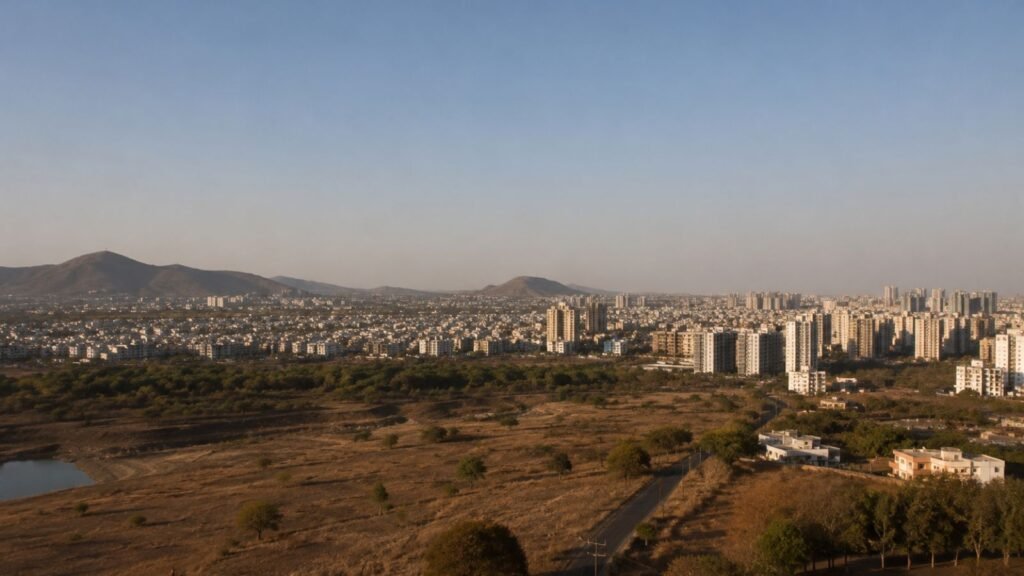
Residents traveling across Pune should take additional precautions during this prolonged dry spell.
| Commuter Type | Safety Measures |
|---|---|
| Two wheeler riders | Wrap clean cotton scarf beneath helmet, wear UV blocking sunglasses, avoid parking in asphalt areas |
| PMPML bus users | Carry insulated water bottles, choose window seats for ventilation, prefer less crowded buses |
| Pune metro commuters | Use air conditioned stations, drinking water facilities available at stations |
Understanding Pune June 2026 Weather Timeline
| Phase | Period | Weather Conditions |
|---|---|---|
| Phase 1 | June 1 to 15 | Historic zero rainfall, maximum temperature 38.1°C on June 1 |
| Phase 2 | June 16 to 22 | Mostly clear mornings, partly cloudy evenings, temperatures 35°C to 37°C, nights 23°C to 24°C |
| Phase 3 | June 23 to 30 | Heavy rainfall, thunderstorms, lightning, temperatures dropping to 27°C to 30°C |
Conclusion
Pune June 2026 weather situation stands out as one of the most unusual monsoon delays recorded since 1958. With zero measurable rainfall during the first half of the month and temperatures consistently remaining above normal, residents are facing prolonged heat and humidity instead of the expected monsoon relief. While current forecasts indicate that no major rainfall is likely over the next few days, conditions are expected to improve toward the final week of June when stronger monsoon currents are forecast to enter Maharashtra. Until then, staying hydrated, limiting outdoor exposure during peak afternoon hours, and recognizing heat related warning signs remain important for public safety.
Frequently Asked Questions
Q1. What is the current weather situation in Pune in June 2026
A1. Pune has recorded zero measurable rainfall during the first half of June 2026, creating a historic dry spell since 1958. Temperatures are ranging between 35°C and 37°C with high humidity.
Q2. When is rainfall expected in Pune
A2. No major rainfall is expected over the next four days. Meaningful monsoon relief is anticipated only toward the final week of June, with heavy rainfall and thunderstorms forecast.
Q3. What are the symptoms of heat exhaustion to watch for
A3. Early symptoms include dizziness, persistent headaches, nausea, muscle cramps, and intense fatigue. Severe signs include body temperature above 40°C, rapid heart rate, and mental confusion.
Q4. How much water should residents drink daily during this heat spell
A4. Residents should aim for 3 to 4 litres of fluid daily, including water, ORS solutions, lemonade, buttermilk, and coconut water while limiting tea, coffee, and sugary drinks.
Q5. What safety measures are recommended for outdoor workers
A5. Workers should avoid outdoor exposure between 12:00 PM and 4:00 PM, take 10-15 minute breaks every hour in shaded areas, and wear protective clothing including wide brimmed hats and light colored cotton garments.