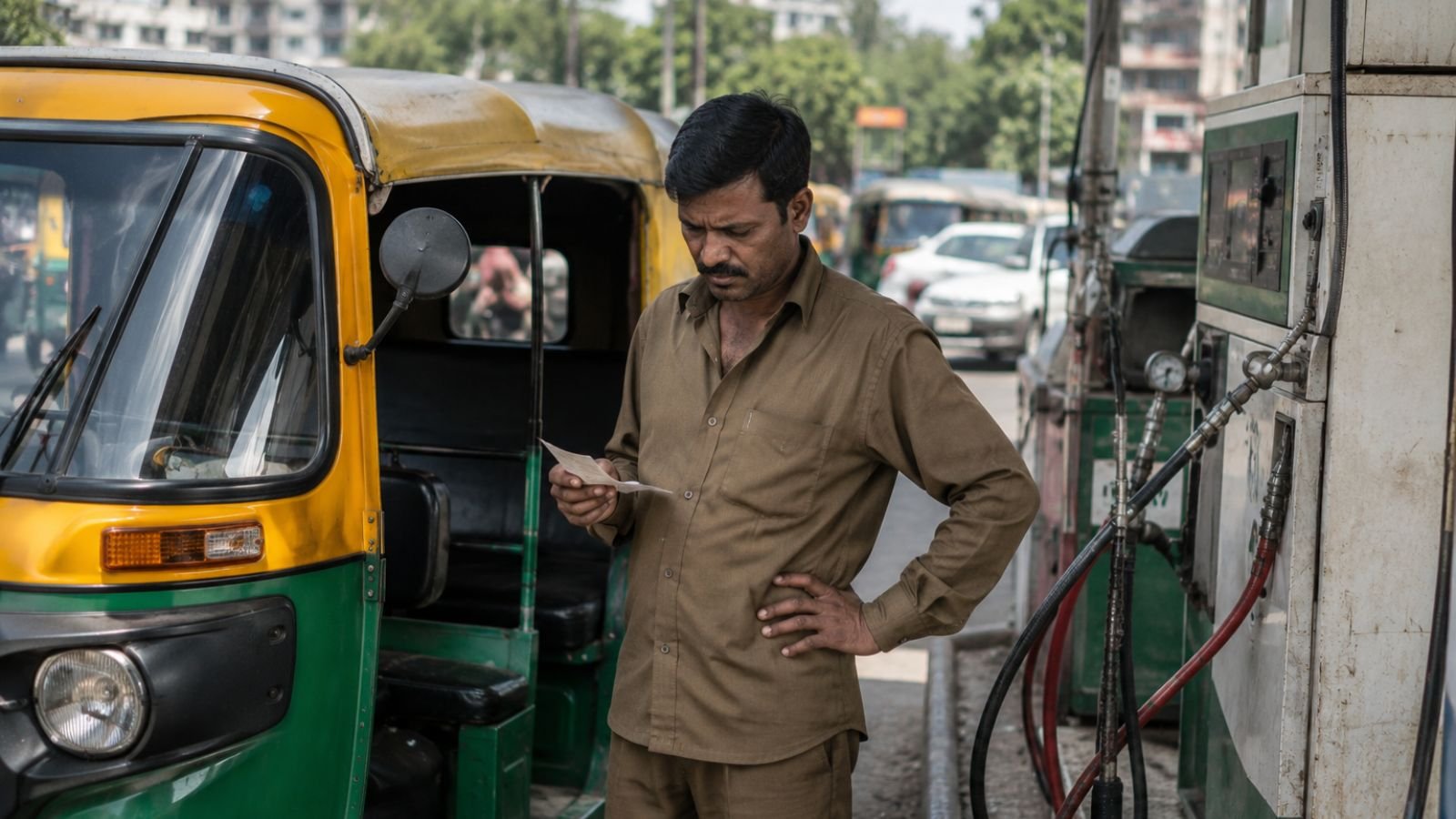
Ahmedabad commuters may now have to spend significantly more on daily travel as auto rickshaw drivers associations across the city have independently increased passenger fares following continuous Adani CNG price hikes. The move comes amid growing frustration among drivers over rising operating expenses and the delay in official fare revisions by the government Rate Review Committee. According to the updated fare structure, both the minimum fare and per kilometre charges have been increased, directly impacting thousands of passengers who rely on auto rickshaws for daily transportation. Driver unions argue that escalating fuel prices, inflation, and rising maintenance costs have made it difficult to continue operating under the older fare system. The development is expected to affect students, office workers, middle class families, and other regular commuters across Ahmedabad.
Why Ahmedabad Auto Rickshaw Fares Have Increased
The primary reason behind the fare hike is the continued rise in CNG prices. Auto rickshaw associations claim that repeated increases in fuel costs have severely impacted their earnings and made daily operations more expensive. Driver unions have also pointed to the lack of timely intervention from the Rate Review Committee, which is responsible for examining and recommending fare revisions. According to the associations, delays in official decisions forced drivers to independently revise fares in order to manage increasing expenses. The issue has been building for several years, with drivers arguing that operational costs have increased substantially while fare structures remained largely unchanged.
New Ahmedabad Auto Rickshaw Fare Structure
The revised fare system mainly applies to meter operated auto rickshaws operating throughout Ahmedabad.
| Fare Component | Previous Rate | New Rate |
|---|---|---|
| Minimum fare (first 1.2 km) | ₹20 | ₹30 |
| Per kilometre charge | ₹15 | ₹20 |
The minimum fare increase from ₹20 to ₹30 represents a significant jump for short distance passengers who frequently use auto rickshaws for local trips. The per kilometre charge increase from ₹15 to ₹20 means passengers travelling longer distances will experience a noticeable rise in overall travel expenses. For regular commuters who depend on auto rickshaws multiple times a day, the cumulative impact could be substantial over a month.
Rising CNG Prices Driving the Change
Driver associations have identified fuel costs as one of the biggest factors behind the fare revision. Recent increases have pushed retail CNG prices in Gujarat to ₹86.01 per kilogram, significantly increasing operating expenses for auto rickshaw owners and drivers. Traditionally, CNG has been considered a more economical alternative to petrol. However, the narrowing price advantage has increased financial pressure on commercial vehicle operators. As fuel expenses rise, many drivers claim that continuing operations under older fare rates would become economically unsustainable.
Operational Costs Continue to Rise
Beyond fuel prices, drivers say several other expenses have increased over the years.
Some of the major cost pressures include:
- Vehicle maintenance expenses
- Tyre replacement costs
- Insurance premiums
- Spare parts prices
- Daily living expenses
- General inflation
According to driver associations, these combined factors have steadily reduced profitability, making fare revisions unavoidable. The unions argue that while passengers see only the fare increase, drivers must absorb multiple layers of rising costs that affect their daily earnings.
Delay in Official Fare Revision
One of the major concerns raised by auto rickshaw associations is the delay in official fare adjustments. According to the provided information, the state baseline fare structure was last revised nearly four years ago. During this period, inflation and operational expenses have increased considerably. Driver groups maintain that if regular reviews had taken place, smaller periodic adjustments might have prevented the need for a larger fare increase at this stage. The lack of official revisions has become a central point in the ongoing debate between transport operators and authorities.
Impact on Daily Commuters
The fare increase is expected to have an immediate impact on passengers across Ahmedabad. Many residents depend on auto rickshaws for daily office travel, school and college commuting, railway station transportation, local shopping trips, medical visits, and short distance neighbourhood travel. For these commuters, even small increases in per trip costs can add up significantly over time. The revised rates are particularly important for people who use auto rickshaws several times a day, as monthly transportation budgets may need adjustment.
Students and Working Professionals Likely to Feel the Impact
Students and office going professionals are expected to be among the most affected groups. Many commuters choose auto rickshaws because they offer flexibility and accessibility for routes not easily covered by public transportation. With minimum fares increasing from ₹20 to ₹30 and per kilometre charges rising to ₹20, daily transportation expenses may increase noticeably for regular users. For households already managing rising living costs, transportation could become another area of financial pressure.
Effect on Middle Class Families
The fare revision is also expected to affect middle class families who frequently use auto rickshaws for local travel. Short distance trips that were previously considered affordable may now cost significantly more. Families travelling for shopping, school drop offs, medical appointments, or other daily activities may see transportation expenses rise over the coming months. The increase could encourage some commuters to explore alternative travel options where available.
Impact on Ride Aggregators and Online Platforms
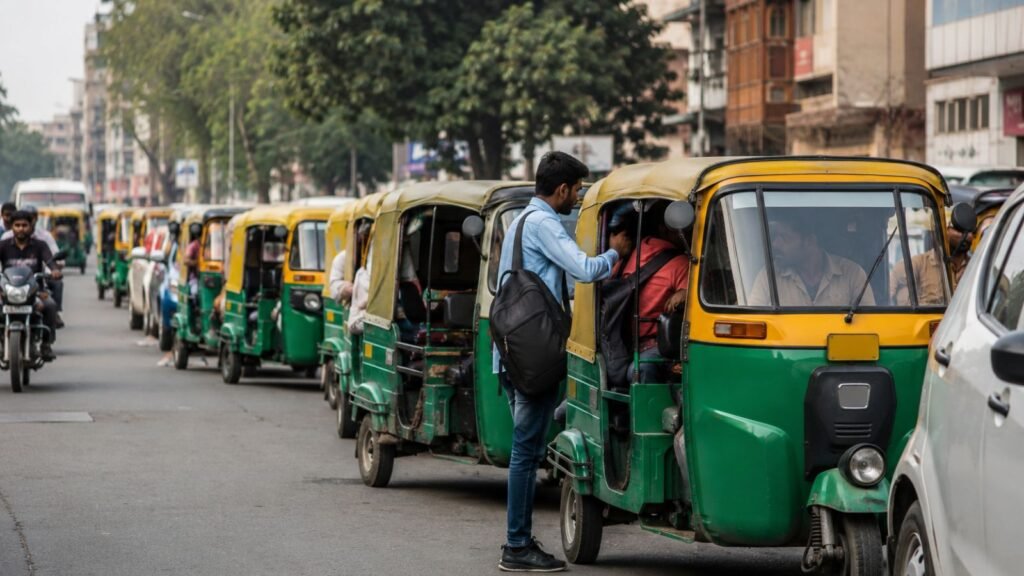
The effects of the fare increase are not limited to traditional auto rickshaw services. According to the provided information, online cab and auto aggregators have also adjusted their pricing structures. Baseline ride prices have reportedly increased by approximately ₹5 to ₹10 in some cases. These adjustments are intended to discourage drivers from leaving digital platforms while ensuring that driver earnings remain viable amid rising operational costs. As a result, passengers using app based transportation services may also notice higher fares.
Why Drivers Say the Increase Was Necessary
Driver associations argue that the fare hike is not simply about increasing income but rather about maintaining operational viability. They contend that:
- Fuel prices have risen continuously
- Vehicle maintenance costs have increased
- Inflation has affected household expenses
- Official fare reviews have been delayed
- Existing fares no longer reflect current economic realities
From their perspective, fare adjustments are necessary to ensure that drivers can continue providing transportation services without operating at a loss.
Public Response and Concerns
The fare hike is likely to generate mixed reactions among the public. Passengers may be concerned about higher daily travel expenses, increased monthly transportation budgets, rising costs of short distance travel, and additional pressure on household finances. At the same time, some commuters may recognize the challenges faced by drivers due to increasing fuel and maintenance costs. The situation highlights the ongoing challenge of balancing affordable public transportation with sustainable earnings for transport operators.
What the Fare Increase Means Going Forward
The latest fare revision reflects broader economic pressures affecting urban transportation systems. As fuel prices and operational expenses continue to rise, transportation providers face growing challenges in maintaining affordable services while covering costs. The development may also renew discussions about official fare review mechanisms, future transportation policies, fuel price impacts on public transport, and long term urban mobility solutions. For now, Ahmedabad commuters should be prepared for higher travel expenses when using meter operated auto rickshaws across the city.
Conclusion
Ahmedabad auto rickshaw drivers associations have implemented a significant fare increase following continuous CNG price hikes and growing operational expenses. The revised structure raises the minimum fare from ₹20 to ₹30 for the first 1.2 kilometres, while per kilometre charges have increased from ₹15 to ₹20. Driver unions cite rising CNG prices, inflation, maintenance costs, and delayed official fare revisions as the primary reasons behind the decision. While the increase may help drivers manage escalating expenses, it is expected to place additional financial pressure on students, office workers, middle class families, and regular commuters throughout Ahmedabad. As transportation costs continue to evolve, the fare hike highlights the complex balance between affordable commuting and sustainable earnings for transport service providers.
Frequently Asked Questions
Q1. What is the new minimum auto fare in Ahmedabad?
A1. The minimum fare has been increased from ₹20 to ₹30 for the first 1.2 kilometres of travel.
Q2. What is the new per kilometre charge for auto rickshaws in Ahmedabad?
A2. The per kilometre charge has been increased from ₹15 to ₹20.
Q3. Why did auto rickshaw drivers increase fares in Ahmedabad?
A3. Drivers increased fares due to continuous CNG price hikes, rising operational costs including maintenance and insurance, inflation, and delays in official fare revisions by the Rate Review Committee.
Q4. What is the current CNG price in Gujarat?
A4. Retail CNG prices in Gujarat have reached ₹86.01 per kilogram, significantly increasing operating expenses for auto rickshaw drivers.
Q5. How have online ride aggregators responded to the fare hike?
A5. Online cab and auto aggregators have adjusted their pricing structures, with baseline ride prices increasing by approximately ₹5 to ₹10 in some cases to discourage drivers from leaving digital platforms.