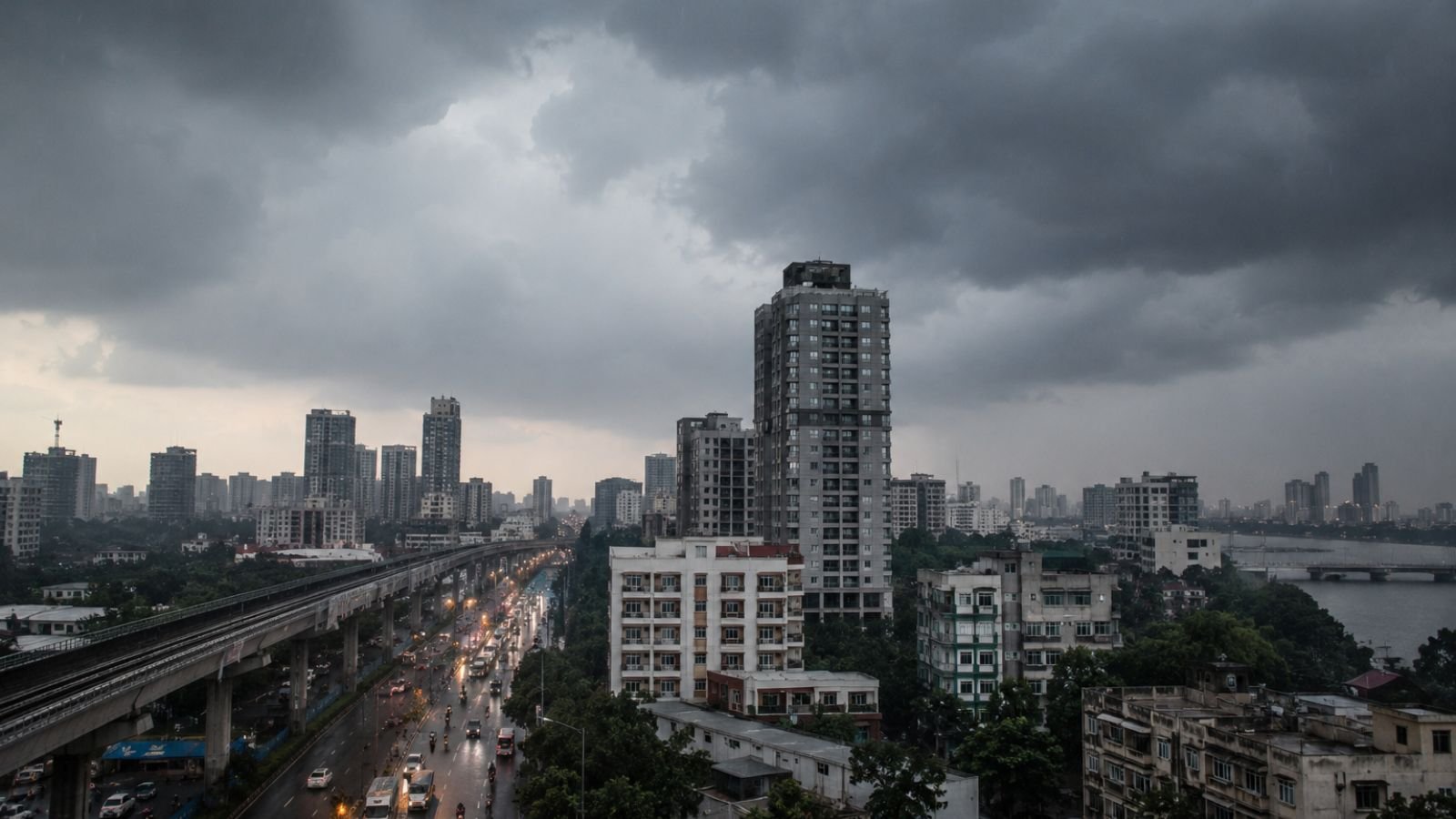
Surat is expected to witness a gradual transition from peak summer conditions into the early phase of the southwest monsoon during June 2026. The month is likely to bring changing weather patterns, beginning with hot and humid conditions and eventually moving toward regular rainfall activity as monsoon winds strengthen across South Gujarat. According to the available forecast information, daytime temperatures in Surat are expected to range between 35°C and 29°C through the month, while nighttime temperatures are likely to fluctuate between 29°C and 27°C. Residents can also expect increasing cloud cover, periodic thunderstorms, and eventually more consistent monsoon rainfall toward the final week of June. For residents, travelers, daily commuters, and businesses, understanding the expected weather pattern can help with planning activities and preparing for seasonal changes.
Surat Weather Overview for June 2026
June marks an important seasonal shift for Surat. The city moves away from the intense summer heat experienced during May and begins experiencing the effects of moisture laden monsoon winds. The weather outlook suggests a combination of warm and humid days, increasing cloud cover, pre monsoon thunderstorms, gradual temperature reduction, and frequent rain showers during the latter part of the month. This transition period often creates rapidly changing weather conditions, making June one of the most dynamic months of the year for Surat.
Expected Temperature Range Throughout June
The overall temperature trend indicates a gradual cooling pattern as rainfall activity increases.
| Time Period | Daytime Temperature | Nighttime Temperature |
|---|---|---|
| Week 1 (June 1-7) | 34°C to 35°C | Around 27°C |
| Week 2 (June 8-14) | 33°C to 34°C | Near 26°C |
| Week 3 (June 15-21) | Near 35°C | Around 27°C |
| Week 4 (June 22-30) | Dropping toward 32°C | 28°C to 29°C |
Some days during active rainfall periods may even experience temperatures closer to 29°C. Compared to the intense heat experienced during peak summer, this represents significant relief for residents. Although rainfall will provide cooling during the day, humidity levels are expected to keep nights relatively warm.
Week 1 Weather Forecast (June 1 – June 7)
The first week of June is expected to begin with typical summer weather conditions. Maximum temperatures will range from 34°C to 35°C with minimum temperatures around 27°C. During this period, Surat will continue experiencing hot afternoons, although weather conditions will begin showing signs of seasonal transition. Atmospheric instability is expected to increase through the week. As a result, isolated thunderstorms may develop, short duration showers could occur, and cloud formation may increase during afternoon and evening hours. These early pre monsoon weather events often provide temporary relief from daytime heat.
Surat Gold Rate Today June 2026
Week 2 Weather Forecast (June 8 – June 14)
The second week is likely to bring greater cloud cover and higher humidity. Forecast temperatures suggest daytime highs around 33°C to 34°C and nighttime lows near 26°C. Residents can expect increasing humidity levels, more overcast afternoons, greater cloud development, and intermittent rainfall possibilities. The growing moisture content in the atmosphere will signal the approaching monsoon season.
Week 3 Weather Forecast (June 15 – June 21)
The third week represents a more active weather phase for Surat and South Gujarat. Forecast values indicate maximum temperatures near 35°C and humid nighttime conditions around 27°C. As monsoon winds become stronger across coastal Gujarat, rain bands may begin developing more frequently, rainfall events could become more widespread, and humidity levels are expected to remain elevated. The city may experience alternating periods of sunshine, cloud cover, and rain during this stage.
Week 4 and End of Month Forecast (June 22 – June 30)
The final week of June is expected to show the clearest signs of monsoon establishment. Forecast projections suggest maximum temperatures dropping toward 32°C and nighttime temperatures remaining between 28°C and 29°C. Unlike the isolated showers seen earlier in the month, the final week may experience frequent rainfall, steady showers, longer rainy periods, and increased cloud cover. This phase typically reflects the stronger presence of the southwest monsoon across the region.
Monthly Weather Trend Analysis
Looking at the overall month, several important trends emerge.
- Maximum Temperature Trend: The city is expected to move from 35°C to 32°C, providing substantial relief compared to May extreme summer conditions
- Night Temperature Trend: Night temperatures are projected to fluctuate between 29°C and 26°C, though elevated humidity levels may continue making nights feel warmer
- Rainfall Trend: Rainfall is expected to progress through three distinct stages including early isolated pre monsoon showers, thunderstorm activity during mid month, and regular monsoon rainfall by month end
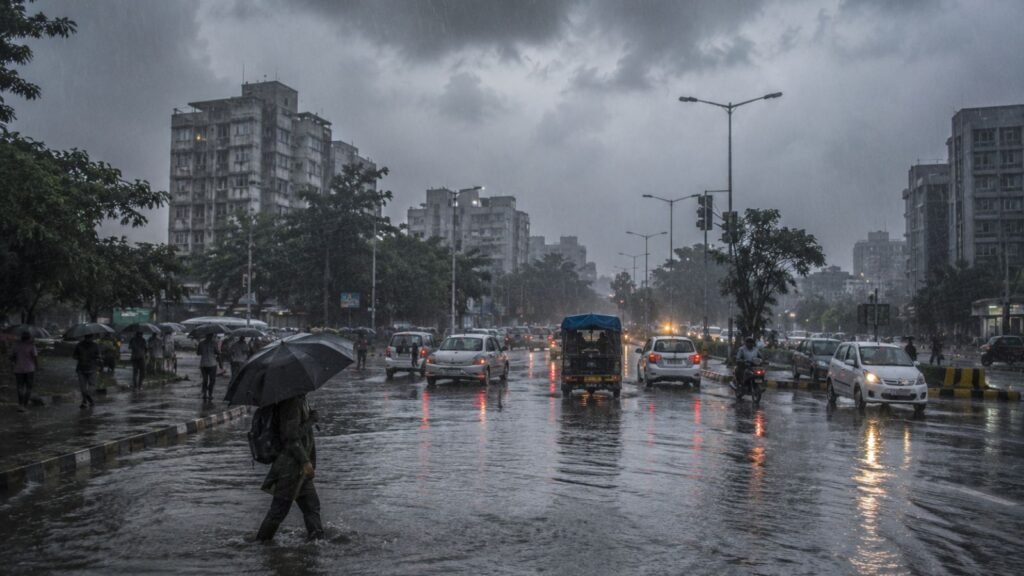
How the Monsoon Transition Will Affect Daily Life
The arrival of monsoon conditions influences nearly every aspect of daily life in Surat.
Positive Effects
- Relief from summer heat
- Cooler daytime temperatures
- Improved outdoor comfort
- Increased moisture for agriculture
- Reduced heat stress
Challenges
- High humidity levels
- Waterlogging risks
- Traffic delays
- Mosquito breeding concerns
- Reduced visibility during rainfall
Understanding these changes can help individuals prepare more effectively.
Delhi Weather Forecast June 2026
Health Risks During the Monsoon Transition
The available information highlights several health concerns commonly associated with increasing rainfall and humidity.
Waterborne Diseases
Residents are advised to drink filtered water, boiled water, or safe drinking water from reliable sources. During rainy periods, water contamination risks can increase, contributing to diseases such as typhoid and cholera.
Mosquito Borne Diseases
Standing water can become a breeding ground for mosquitoes. This increases the risk of dengue and malaria. Residents should regularly inspect and clear areas where water accumulates around homes and workplaces.
Food Safety During Humid Weather
Humidity plays a major role in food spoilage. Residents should avoid unhygienic street food, limit consumption of raw vegetables from uncertain sources, store food properly, and consume freshly prepared meals whenever possible. The higher moisture content in the air can accelerate bacterial growth.
Electrical Safety During Rainfall
Electrical hazards become more dangerous during wet weather conditions. Residents should avoid touching electrical poles, standing near transformers, or coming into contact with exposed electrical infrastructure. Water significantly increases the risk of electrical accidents and electrocution.
Road and Travel Advisory
Monsoon conditions often affect transportation systems. Drivers and commuters may encounter waterlogged roads, hidden potholes, slippery surfaces, and traffic congestion.
Safe Driving Practices
- Drive at reduced speeds
- Maintain safe braking distances
- Avoid flooded roads when possible
- Stay updated on local weather conditions
These precautions can help reduce accident risks during heavy rainfall periods.
Skin and Personal Care During Monsoon
High humidity can create additional health concerns. Residents should keep skin dry, wear breathable cotton clothing, change wet clothes promptly, and dry feet thoroughly after exposure to rainwater. These measures can help reduce the risk of fungal infections commonly seen during humid weather.
What Residents Can Expect by the End of June
By the final week of June, Surat is expected to be firmly entering its monsoon phase. Key indicators include frequent rainfall, cooler daytime temperatures, consistent cloud cover, increased atmospheric moisture, and reduced intensity of summer heat. For many residents, this period traditionally marks the beginning of a wetter and more comfortable season after months of high temperatures.
Conclusion
June 2026 is expected to be a month of significant weather transition for Surat. Starting with hot summer conditions and gradually moving into the early stages of the southwest monsoon, the city is likely to experience changing temperatures, increasing humidity, pre monsoon thunderstorms, and eventually regular rainfall. Daytime temperatures are projected to fall from around 35°C to 32°C, while rainfall activity will steadily increase throughout the month. Although the changing weather will bring welcome relief from heat, residents should remain alert to seasonal challenges such as waterborne diseases, mosquito breeding, waterlogging, and electrical hazards. By following basic health and safety precautions and staying informed about local weather developments, residents can safely navigate Surat transition into the 2026 monsoon season.
Frequently Asked Questions
Q1. What is the expected daytime temperature range in Surat during June 2026?
A1. Daytime temperatures are expected to range between 35°C and 29°C through the month, gradually cooling as rainfall activity increases.
Q2. When will monsoon rainfall become regular in Surat?
A2. The final week of June (June 22 to June 30) is expected to bring more consistent monsoon rainfall with frequent showers and longer rainy periods.
Q3. What are the main health risks during the monsoon transition in Surat?
A3. Main health risks include waterborne diseases (typhoid, cholera), mosquito borne diseases (dengue, malaria), food spoilage due to humidity, and electrical hazards.
Q4. How should drivers prepare for monsoon conditions in Surat?
A4. Drivers should reduce speeds, maintain safe braking distances, avoid flooded roads when possible, and stay updated on local weather conditions.
Q5. What skin care precautions are recommended during humid weather?
A5. Residents should keep skin dry, wear breathable cotton clothing, change wet clothes promptly, and dry feet thoroughly after exposure to rainwater to reduce fungal infection risks.