The Government of India officially notified the Citizenship (Amendment) Rules, 2026 on 1 May 2026, bringing significant reforms to the citizenship framework. The updated rules introduce a strong digital shift, stricter compliance norms, and revised eligibility criteria – especially impacting Overseas Citizen of India (OCI) cardholders and minors.
These changes aim to simplify application processes while tightening regulatory oversight in key areas. This Citizenship Amendment Rules 2026 guide explains all major updates.
Digital Transformation: Introduction of e-OCI System
One of the most important updates in 2026 is the complete transition to a digital-first system for OCI services.
All OCI applications, including registration and renunciation, must now be submitted online through the official OCI Services portal. This eliminates the earlier paper-based system.
The government has also introduced Electronic OCI (e-OCI), allowing individuals to maintain digital records instead of relying solely on physical cards.
Additionally, duplicate document submissions are no longer required. Applicants can now rely on digital uploads and acknowledgements, making the process faster and more efficient.
Stricter Rules for Minors Holding Dual Passports
The new rules bring clarity and strict enforcement for children holding dual nationality.
Minors with Indian passports are no longer allowed to hold passports of other countries simultaneously. Authorities have also strengthened monitoring systems to ensure compliance with India’s single citizenship policy.
This move is expected to reduce ambiguity and prevent misuse of dual nationality provisions involving minors.
Fast-Track Immigration Integration
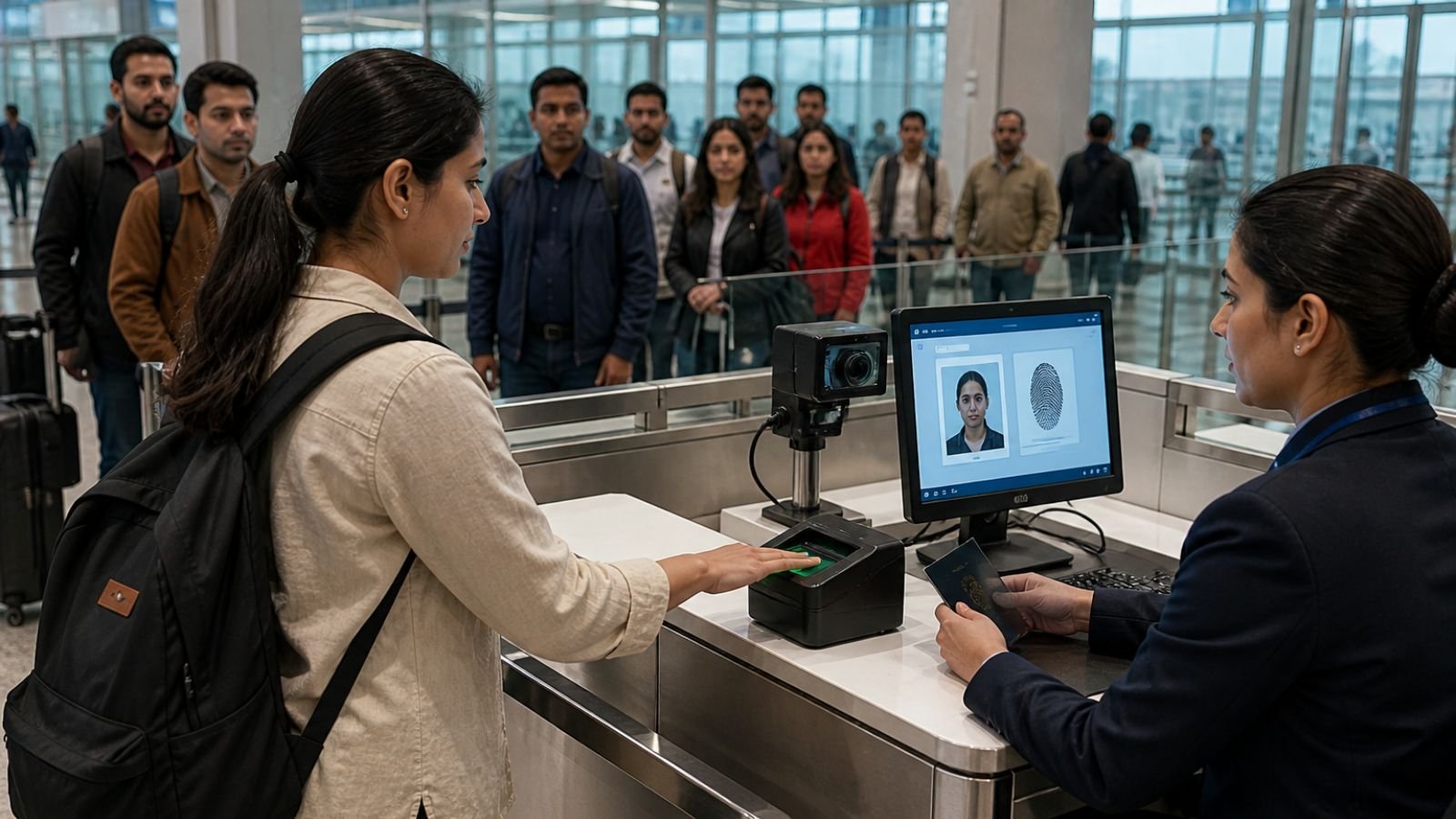
Another major update is the integration of OCI registration with fast-track immigration systems.
Applicants must now provide consent for biometric data collection during the registration process. This enables smoother entry procedures at Indian airports and ports.
With automatic enrollment in streamlined immigration programs, OCI holders can expect faster and more efficient travel experiences in the future.
OCI Renunciation and Cancellation Rules
The 2026 rules also redefine the process of renouncing or cancelling OCI status.
Even after applying online for renunciation, individuals are required to physically surrender their original OCI card to the nearest Indian Mission, Post, or FRRO office.
For e-OCI holders, the government now has the authority to directly cancel digital records in its system if the OCI status is revoked.
Updated Citizenship Rules Still in Effect
Alongside the 2026 updates, earlier provisions from the Citizenship Amendment framework continue to remain applicable.
The 2025 update extended the CAA cut-off date to 31 December 2024, allowing eligible individuals from specific neighboring countries to apply for Indian citizenship.
The residency requirement for these applicants remains reduced to 5 years, compared to the earlier 11-year standard for naturalization.

OCI Application Process: New Digital Requirements
From 1 May 2026, all OCI applications must follow the updated digital process under the e-OCI system.
Applicants must submit their forms online via the OCI Services portal, without any requirement for duplicate physical documents.
Mandatory Documents Include:
- A valid foreign passport with at least 6 months validity
- Proof of Indian origin (old passport, surrender certificate, or domicile certificate)
- Recent passport-size photograph
- Digital signature or thumb impression
Category-Specific Requirements
The rules also specify additional requirements based on applicant categories.
- Minors must provide a birth certificate that includes both parents’ names. If issued outside India, it must be apostilled.
- Foreign spouses must submit a marriage certificate (minimum two years of marriage) along with a declaration confirming the marriage is still valid.
- Sri Lankan Tamil applicants have now been granted extended eligibility, including fifth- and sixth-generation individuals of Indian origin.
Extended CAA Eligibility Criteria
The updated framework clearly defines eligibility for citizenship under the extended CAA eligibility 2026 provisions.
Applicants must be from Afghanistan, Bangladesh, or Pakistan and belong to one of the specified minority communities – Hindu, Sikh, Buddhist, Jain, Parsi, or Christian.
They must have entered India on or before 31 December 2024 and migrated due to religious persecution or fear of persecution.
Key Benefits and Exemptions
The revised rules also introduce several relaxations for eligible applicants.
- Individuals can apply even without valid travel documents or if their visas have expired
- The reduced residency requirement of 5 years significantly speeds up the citizenship process for eligible groups
- Applicants must also demonstrate proficiency in at least one language listed under the Eighth Schedule of the Indian Constitution
Conclusion
The Citizenship (Amendment) Rules, 2026 mark a major shift toward digital governance and stricter compliance in India’s citizenship system. By introducing e-OCI, tightening rules for minors, and integrating biometric-based immigration processes, the government aims to create a more streamlined and secure framework.
At the same time, the extension of CAA provisions continues to provide relief to eligible groups, balancing administrative efficiency with humanitarian objectives.
Frequently Asked Questions
Q1. What is the e-OCI system introduced in 2026?
A1. The e-OCI system is a digital-first platform where all OCI applications, including registration and renunciation, must be submitted online through the official OCI Services portal.
Q2. What are the new rules for minors holding dual passports?
A2. Minors with Indian passports are no longer allowed to hold passports of other countries simultaneously, with strengthened monitoring to ensure compliance with India’s single citizenship policy.
Q3. What documents are required for OCI application under the new rules?
A3. Mandatory documents include a valid foreign passport (6 months validity), proof of Indian origin, recent photograph, and digital signature or thumb impression.
Q4. What is the eligibility criteria for CAA applicants under the 2026 rules?
A4. Applicants must be from Afghanistan, Bangladesh, or Pakistan belonging to Hindu, Sikh, Buddhist, Jain, Parsi, or Christian communities, having entered India on or before 31 December 2024 due to religious persecution.
Q5. Is biometric data collection required for OCI applicants?
A5. Yes, applicants must provide consent for biometric data collection during the registration process to enable smoother entry procedures at Indian airports and ports.