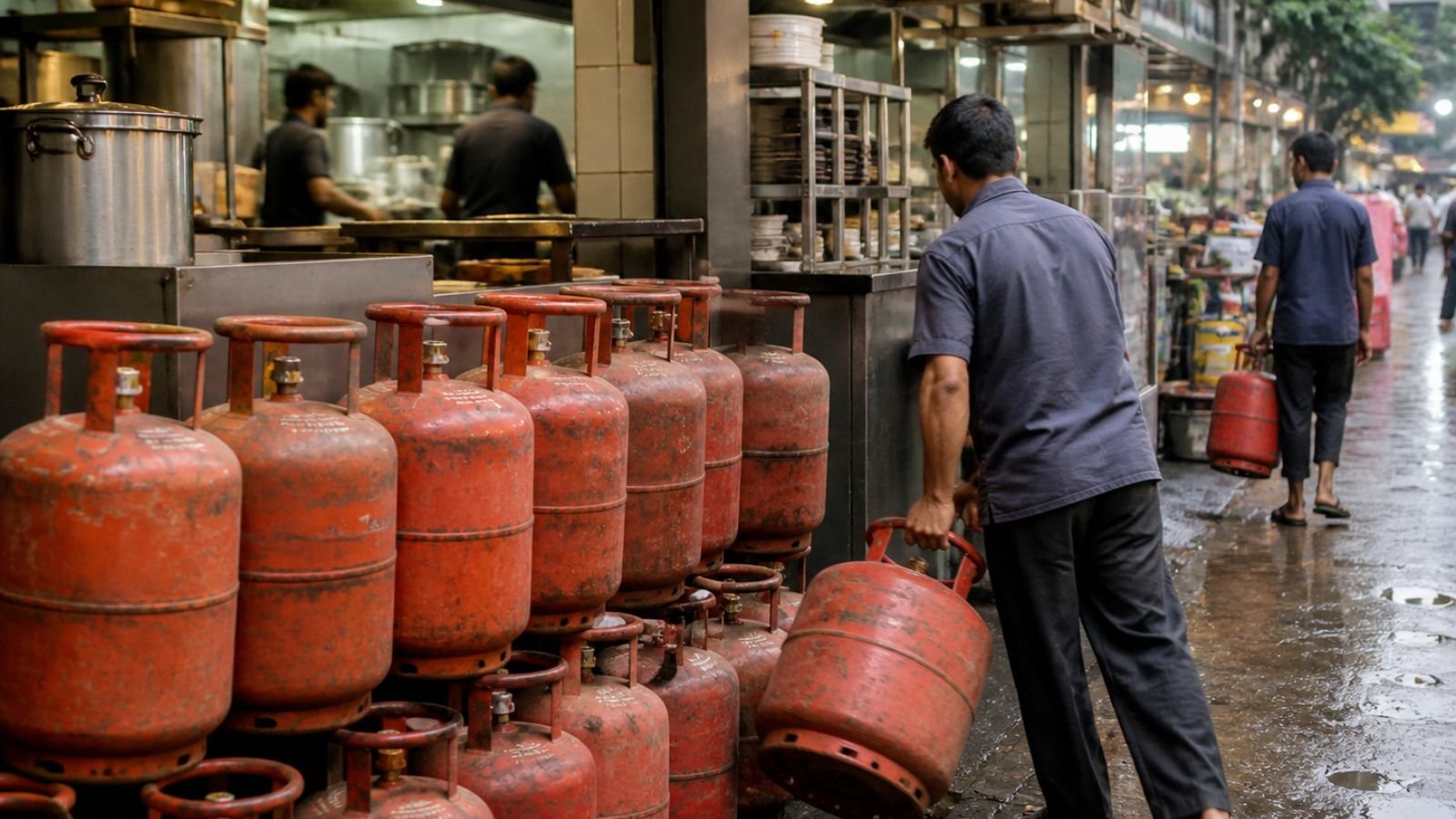
India has witnessed a major shift in fuel pricing as commercial LPG cylinder rates surged sharply in May 2026. As of May 2, 2026, the price of 19kg commercial LPG cylinders crossed the ₹3,000 mark in multiple cities for the first time, marking one of the steepest increases in recent years. This sudden hike, nearly ₹993 per cylinder in a single revision, has raised serious concerns among businesses, especially in sectors heavily dependent on fuel.
Current Commercial LPG Prices in Major Cities (May 2026)
Prices for 19kg commercial LPG cylinders differ slightly across cities due to local taxes and logistics costs. Here are the latest updated rates:
- New Delhi: ₹3,071.50 (+₹993)
- Mumbai: ₹3,024.00 (+₹993)
- Kolkata: ₹3,355.00 (+₹1,147)
- Chennai: ₹3,259.50 (+₹1,013)
- Bengaluru: ₹3,152.00 (+₹991)
This sharp rise has pushed commercial LPG into record-high territory across India.
Why Did LPG Prices Spike So Sharply?
The sudden increase in LPG prices is driven by multiple global and domestic factors:
1. West Asia Tensions
Rising geopolitical instability in the Strait of Hormuz, a key route for global oil and gas supply, has disrupted shipments and increased uncertainty in energy markets.
2. Heavy Import Dependence
India imports around 88% of its LPG requirements. This makes domestic prices highly sensitive to global benchmarks such as Saudi Aramco’s contract pricing.
3. Surge in Crude Oil Prices
Global crude oil prices have increased by nearly 50% in recent months. Since LPG is a byproduct of crude refining, its cost has risen accordingly.
Commercial vs Domestic LPG: Key Differences
While commercial LPG users face record-high costs, domestic consumers are relatively protected.
- Domestic Stability: Household LPG (14.2kg) remains stable at around ₹913 in Delhi
- No Subsidy for Commercial Use: Commercial LPG is sold at market rates without government subsidy
- Higher Volatility: Commercial prices are revised monthly but fluctuate more sharply than domestic LPG
This pricing gap highlights the burden being placed primarily on businesses.
Impact on Businesses Across India
The ₹1,000 increase per cylinder is expected to have widespread economic consequences:
Hospitality Sector
Restaurants, hotels, and bakeries are likely to increase food prices to offset rising operational costs.
Manufacturing & Industry
Industries like ceramics, textiles, and food processing that rely on LPG may see higher production costs.
Shift to Alternatives
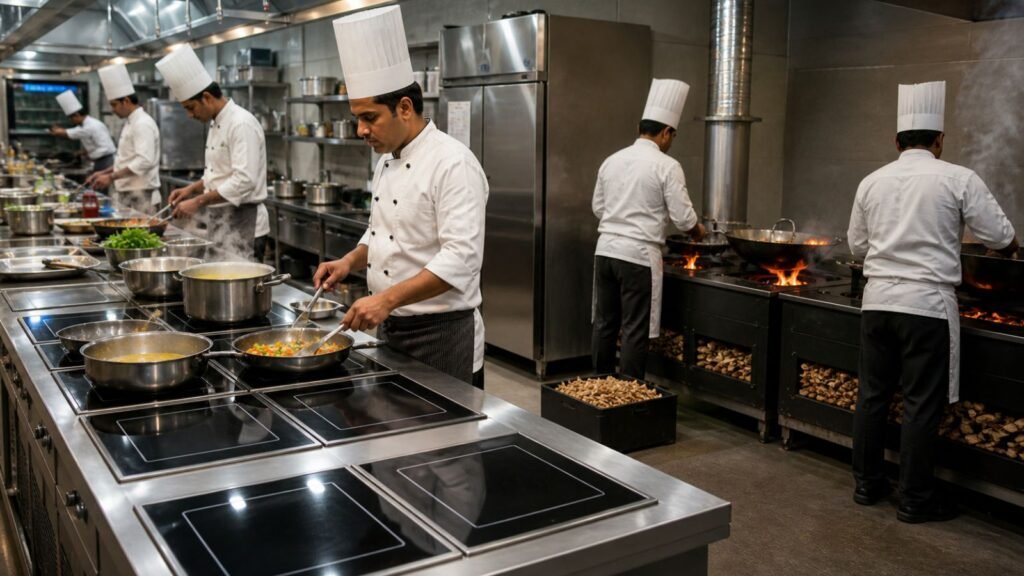
Many small businesses are already exploring alternative fuel options like induction cooking and biomass energy to control expenses.
State-Wise Commercial LPG Price List (May 2026)
Here are the latest prices across key states and cities:
- Delhi (New Delhi): ₹3,071.50 (+₹993)
- Maharashtra (Mumbai): ₹3,024.00 (+₹993)
- West Bengal (Kolkata): ₹3,355.00 (+₹1,147)
- Tamil Nadu (Chennai): ₹3,259.50 (+₹1,013)
- Karnataka (Bengaluru): ₹3,152.00 (+₹991)
- Telangana (Hyderabad): ₹3,315.00 (+₹994)
- Uttar Pradesh (Lucknow): ₹3,194.00 (+₹993)
- Bihar (Patna): ₹3,346.50 (+₹993.50)
- Gujarat (Ahmedabad): ₹3,091.00 (+₹993)
Commercial LPG vs PNG: Cost Comparison
Piped Natural Gas (PNG) is emerging as a more affordable and stable alternative.
- PNG Cost: ₹45 to ₹56 per SCM depending on city
- Cost Advantage: PNG is approximately 25% to 40% cheaper than commercial LPG
- Usage Model: PNG is metered (pay for what you use), unlike LPG cylinders
- Safety: PNG disperses quickly in case of leakage, making it safer in crowded kitchens
This comparison is pushing many businesses to consider switching fuels.
Key Alternatives Businesses Are Exploring
With LPG prices rising, businesses are actively adopting alternative energy solutions:
Electric Induction Cooking
Ideal for small kitchens and cloud kitchens, offering efficient and flame-free cooking.
Biomass Pellets & Briquettes
Used by large kitchens and bakeries, these fuels can be 40% to 60% cheaper and are eco-friendly.
Commercial Biogas
Biogas plants convert organic waste into fuel, reducing dependency on LPG and lowering costs.
Solar Thermal Cooking
Used in institutions like schools and hospitals, solar systems help reduce fuel consumption during daytime operations.
Conclusion
The sharp rise in commercial LPG prices in May 2026 marks a significant turning point in India’s energy and business landscape. With prices crossing ₹3,000, industries and small businesses are facing increased financial pressure and are rapidly exploring alternative energy sources.
While domestic consumers remain shielded for now, the long-term impact of global fuel volatility could influence broader pricing trends. Businesses that adapt quickly to alternative solutions may be better positioned to manage costs and sustain operations in this evolving scenario.
Frequently Asked Questions
Q1. What is the current commercial LPG price in New Delhi?
A1. The price of a 19kg commercial LPG cylinder in New Delhi is ₹3,071.50 as of May 2, 2026, an increase of ₹993.
Q2. Why did commercial LPG prices increase so sharply?
A2. The sharp increase is due to West Asia tensions affecting supply routes, India’s 88% import dependence, and a nearly 50% surge in global crude oil prices.
Q3. What is the difference between commercial and domestic LPG pricing?
A3. Domestic LPG remains stable with government subsidy, while commercial LPG is sold at market rates without subsidy and faces higher monthly volatility.
Q4. How does PNG compare to commercial LPG in cost?
A4. PNG is approximately 25% to 40% cheaper than commercial LPG, costing ₹45 to ₹56 per SCM depending on the city.
Q5. What alternatives are businesses exploring to manage LPG costs?
A5. Businesses are exploring electric induction cooking, biomass pellets and briquettes, commercial biogas plants, and solar thermal cooking as alternative energy solutions.