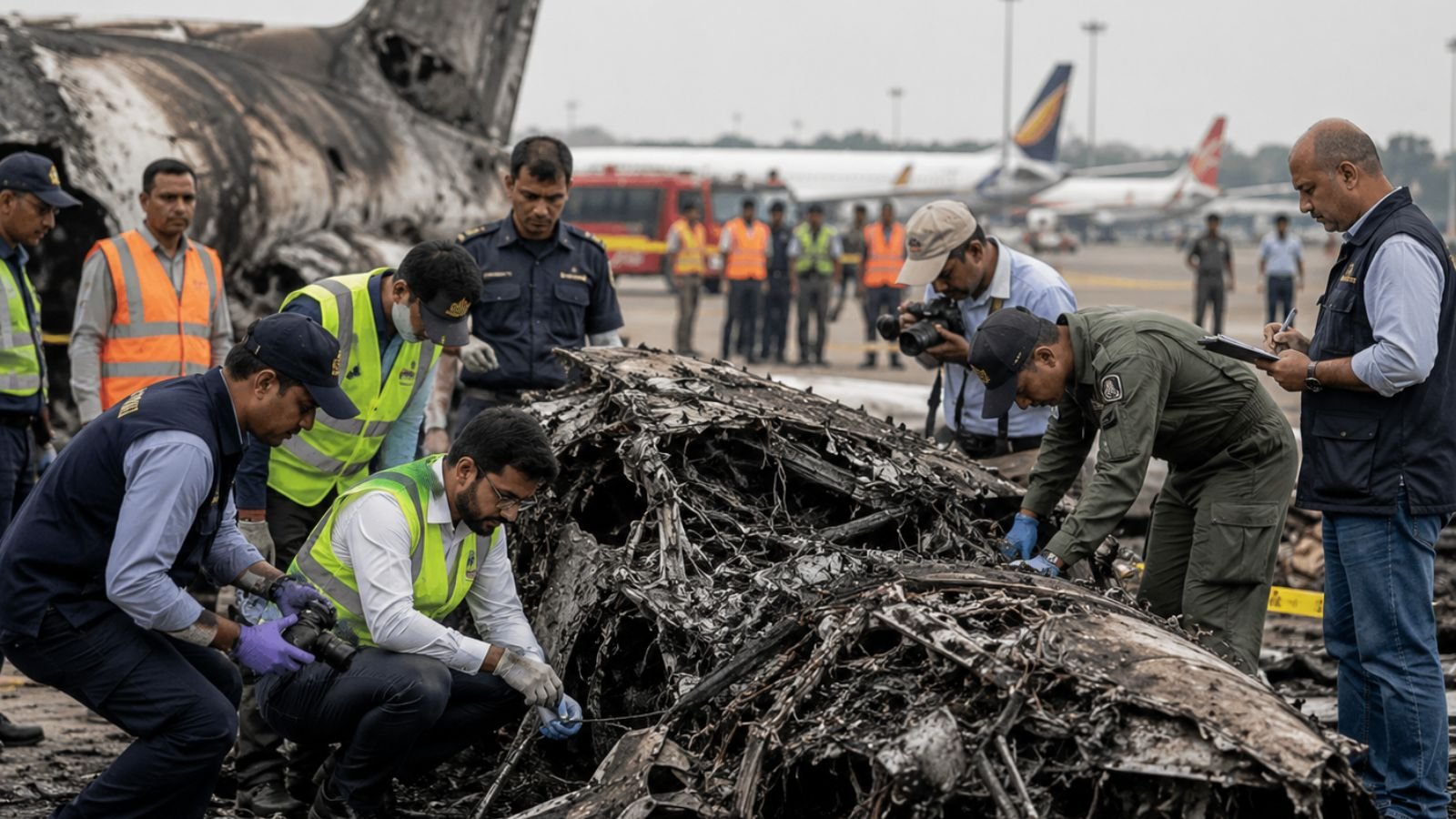
India Aircraft Accident Investigation Bureau (AAIB) is preparing to release an interim investigation report into the tragic Air India Flight AI 171 crash as the first anniversary of the disaster approaches. The London bound Boeing 787 8 Dreamliner crashed shortly after takeoff from Ahmedabad on June 12, 2025, killing 260 people and becoming one of the deadliest aviation tragedies in recent Indian aviation history. According to the provided information, the investigation has become increasingly complex, forcing authorities to delay the final report. Instead, officials are now preparing a broader and more comprehensive interim report that is expected to provide deeper analysis into technical systems, operational factors, and possible causes connected to the crash. The ongoing investigation has also triggered fresh debates around Boeing 787 fuel control systems, electrical failures, pilot accountability, and airline safety oversight.
AAIB Shifts Focus Toward Interim Investigation Report
The Aircraft Accident Investigation Bureau confirmed that the final investigation report will not be ready by the June 2026 anniversary of the crash because of the complexity of the probe. According to the provided information, investigators are still analyzing multiple technical and operational factors, the case requires deeper forensic review, and several evolving technical disputes remain unresolved. As a result, authorities are preparing an interim report instead of a conclusive final finding.
Why the Final Report Is Delayed
The provided information states that investigators described the inquiry as highly intricate. The investigation reportedly involves:
- Aircraft systems analysis
- Electrical system examination
- Fuel control mechanism testing
- Forensic flight data interpretation
- Operational and procedural reviews
Because of these overlapping technical layers, officials believe additional time is needed before issuing a definitive conclusion.
Interim Report Expected to Be More Detailed
Authorities indicated that the upcoming interim report will be far more comprehensive than the preliminary findings released in July 2025. According to the provided content, the report is expected to deeply analyze possible primary causes, examine contributing operational factors, evaluate technical abnormalities, review electrical and fuel system behavior, and address competing theories surrounding the crash. This makes the interim report one of the most anticipated aviation investigation documents in India in recent years.
Focus Intensifies on Boeing 787 Fuel Control Switches
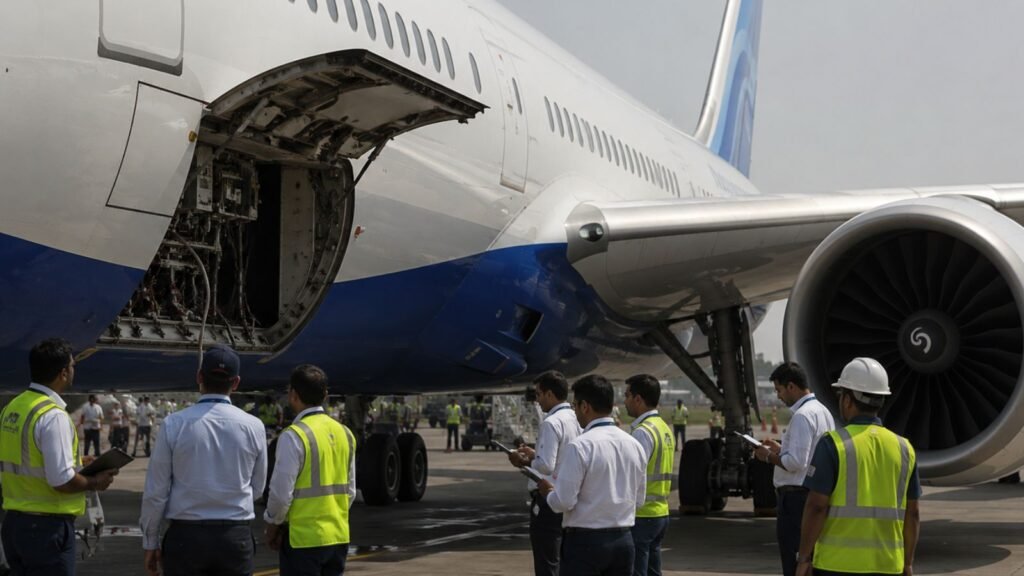
One of the central areas of investigation involves the Boeing 787 Dreamliner engine fuel control switches. According to the provided information, investigators are heavily scrutinizing the fuel switches, early findings suggested fuel supply to the engines was interrupted moments before the crash, and investigators are examining whether switch malfunction or system failure contributed to the dual engine shutdown. The fuel control switch mechanism has now become a major focal point in the technical investigation.
Fresh Evidence Raises New Questions
The investigation reportedly gained new urgency after a separate February 2026 Air India Dreamliner incident involving a London to Bengaluru flight. According to the provided information, pilots on that flight reported abnormal fuel switch behavior, the switches allegedly failed to remain fixed in the run position, and the similarities intensified concern about potential system defects. This separate incident is now believed to be influencing how investigators interpret the Ahmedabad crash findings.
DGCA Officials to Observe Boeing Testing in Seattle
The provided information states that officials from India Directorate General of Civil Aviation (DGCA) are scheduled to travel to Seattle, USA. The purpose of the visit is to observe Boeing testing procedures, evaluate Dreamliner fuel switch systems, and monitor technical analysis of sensitive aircraft components. This step highlights the international coordination involved in the investigation.
Electrical Failure Theory Gains Attention
Another major debate emerging from the investigation involves possible cascading electrical failures inside the aircraft. According to the provided information, forensic experts are examining degraded flight control logic, some investigators believe cascading electrical failures may have contributed to engine shutdown, and this theory challenges earlier assumptions that implied pilot action alone caused the disaster. The investigation is therefore increasingly focused on determining whether the crash resulted from pilot related factors, technical malfunction, software degradation, electrical failure sequences, or a combination of multiple failures.
Debate Over Pilot Error Continues
The question of pilot responsibility remains highly controversial. While earlier speculation suggested possible cockpit related action involving the fuel switches, the emerging electrical failure theory has complicated the narrative. According to the provided information, forensic experts continue debating the root cause, investigators are reassessing assumptions linked to pilot action, and technical explanations are receiving greater attention. This evolving debate has intensified tensions within aviation and pilot communities.
Federation of Indian Pilots Issues Legal Notice
The investigation has also triggered legal and institutional backlash. According to the provided information, the Federation of Indian Pilots (FIP) served a formal legal notice to AAIB, the union objected to investigators summoning a relative of deceased pilot Captain Sumeet Sabharwal, and the pilots body argued the move lacked technical and factual basis. The federation claims the investigation should focus on evidence and technical analysis rather than family relationships.
Pilot Community Raises Concerns Over Investigation Direction
The pilot federation reportedly believes the inquiry risks unfairly centering attention on the deceased cockpit crew before conclusive technical evidence is finalized. According to the provided information, pilot groups are demanding balanced investigation procedures, concerns exist regarding premature assumptions, and legal objections are increasing institutional pressure on investigators. This reflects growing sensitivity around how aviation disasters are publicly interpreted before final conclusions are issued.
Air India Faces Deepening Corporate Crisis
The prolonged crash investigation has reportedly intensified broader operational and financial challenges inside Air India. According to the provided information, Air India suffered financial losses of approximately $2.4 billion for the year ending March 2026, the airline experienced significant operational turbulence, and CEO Campbell Wilson resigned during the ongoing crisis period. The crash investigation has therefore become linked not only to aviation safety but also to the airline corporate stability and public reputation.
Boeing 787 Dreamliner Safety Under Fresh Scrutiny
Because the crash involved a Boeing 787 8 Dreamliner, the investigation has renewed global attention on the aircraft platform. The provided information suggests investigators are closely studying fuel switch reliability, electrical architecture, flight control systems, and engine management behavior. The Seattle testing mission demonstrates how seriously regulators are treating these technical concerns.
Ahmedabad Crash Remains One of India Most Devastating Aviation Disasters
The AI 171 tragedy shocked the nation when the London bound Dreamliner crashed only 32 seconds after takeoff from Ahmedabad on June 12, 2025. According to the provided information, 260 people lost their lives, the aircraft went down shortly after departure, and investigators have spent nearly a year analyzing the disaster. The emotional and public impact of the tragedy continues to shape national attention surrounding the investigation.
Why the Interim Report Matters Globally
The upcoming interim report could carry major implications for Air India operations, Boeing Dreamliner systems, aviation safety regulations, pilot training procedures, and global airline maintenance practices. Because the investigation involves advanced aircraft systems and international technical cooperation, aviation experts worldwide are expected to closely monitor the findings.
Investigation Now Balancing Technical, Legal, and Public Pressure
The provided information shows the investigation is no longer purely technical. Authorities are simultaneously dealing with engineering analysis, legal challenges, public pressure, airline operational fallout, pilot federation criticism, and international regulatory coordination. This has transformed the inquiry into one of the most closely watched aviation investigations in recent years.
Questions That Still Remain Unanswered
Despite months of analysis, several key questions remain unresolved:
- Why did fuel supply reportedly stop moments before impact?
- Did electrical failures trigger system collapse?
- Were the fuel control switches defective?
- Did software or flight control degradation contribute?
- Was pilot action involved, or was the failure technical?
The interim report is expected to address many of these questions, though investigators may still require additional time before reaching final conclusions.
Air India Future Reputation Linked to Investigation Outcome
The findings could significantly influence public confidence in Air India operational standards, maintenance systems, safety culture, and fleet reliability. Because the airline is already navigating financial pressure and leadership instability, the investigation outcome may carry long term consequences for its international image.
Conclusion
As the first anniversary of the Air India Flight AI 171 crash approaches, India Aircraft Accident Investigation Bureau is preparing to release a detailed interim report instead of a final conclusion. The shift reflects the growing complexity of the investigation, which now centers heavily on Boeing 787 fuel control systems, possible electrical failures, and competing theories surrounding the dual engine shutdown. Fresh evidence from another Air India Dreamliner incident, DGCA involvement in Boeing testing, and legal objections from pilot organizations have added further layers to the inquiry. Meanwhile, Air India itself continues facing major financial and operational challenges linked to the prolonged investigation. The upcoming interim report is expected to become a crucial document for India aviation sector as investigators continue searching for definitive answers behind one of the country deadliest aviation disasters.
Frequently Asked Questions
Q1. What is the status of the Air India AI 171 crash investigation?
A1. The Aircraft Accident Investigation Bureau (AAIB) is preparing to release an interim report instead of a final conclusion because of the complexity of the probe, with the final report delayed beyond the June 2026 anniversary.
Q2. What is the main technical focus of the investigation?
A2. Investigators are heavily scrutinizing the Boeing 787 Dreamliner fuel control switches, as early findings suggested fuel supply to the engines was interrupted moments before the crash.
Q3. What fresh evidence has emerged in the investigation?
A3. A separate February 2026 Air India Dreamliner flight from London to Bengaluru reported abnormal fuel switch behavior where switches allegedly failed to remain fixed in the run position.
Q4. What legal action has been taken regarding the investigation?
A4. The Federation of Indian Pilots (FIP) served a formal legal notice to AAIB, objecting to investigators summoning a relative of deceased pilot Captain Sumeet Sabharwal.
Q5. What financial challenges is Air India facing?
A5. Air India suffered financial losses of approximately $2.4 billion for the year ending March 2026, experienced significant operational turbulence, and CEO Campbell Wilson resigned during the crisis period.