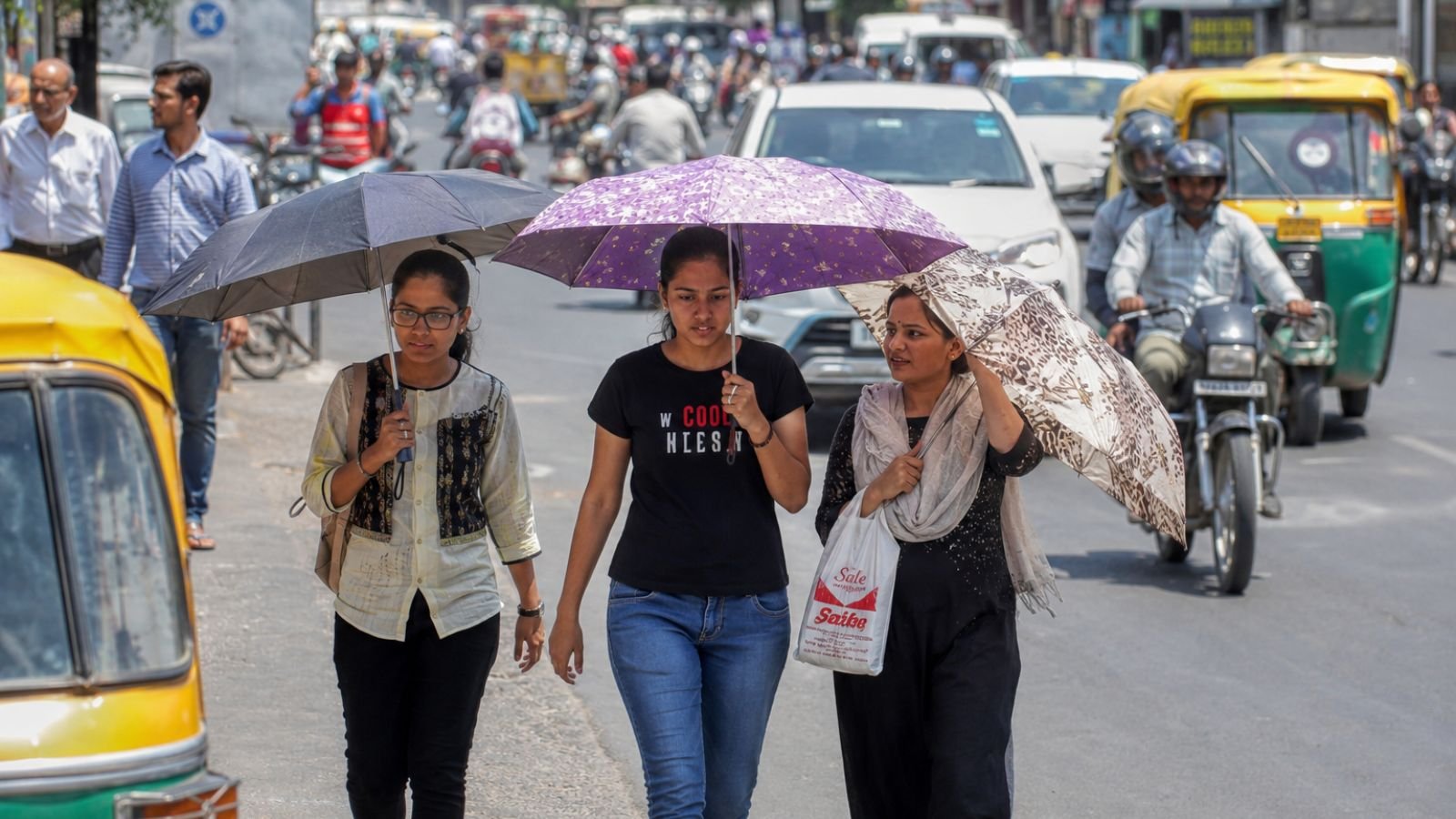
Ahmedabad continues to face an extended period of intense summer heat, with maximum temperatures consistently remaining between 40.6°C and 41.3°C. According to the latest weather assessment, temperatures are currently staying around 1°C to 2°C above the seasonal normal, increasing discomfort across the city and raising concerns about dehydration, heat exhaustion, and heatstroke. The situation has become more challenging due to the delayed arrival of the southwest monsoon. With no immediate rainfall expected to provide significant relief, residents are being advised to follow strict heat safety precautions, particularly during afternoon hours when temperatures peak. The prolonged heat spell is affecting daily life across Ahmedabad, from commuters and outdoor workers to senior citizens and children.
Ahmedabad Weather Remains Above Normal
Ahmedabad current weather pattern reflects a prolonged period of elevated temperatures. Maximum temperatures are regularly crossing the 40°C mark, keeping the city under persistent heat stress. Weather officials indicate that the delayed monsoon has reduced the chances of immediate cooling. As a result, residents should prepare for several more days of hot conditions before any meaningful weather change occurs. The sustained nature of the heat is particularly concerning because the body receives less time to recover, especially when warm nights continue alongside high daytime temperatures.
Why Some Areas Feel Hotter Than Others
One of the major reasons behind Ahmedabad varying temperature levels is the Urban Heat Island effect. Rapid urbanization, expanding concrete infrastructure, and declining green cover have created pockets within the city where temperatures can feel significantly higher than official readings.
| Zone Type | Areas | Reason |
|---|---|---|
| Higher Heat Zones | Gota, Chandlodia, Vatva, Naroda | Dense commercial, industrial, residential development with limited vegetation |
| Relatively Lower Heat Zones | Cantonment area, Bodakdev, Ambawadi, areas near Sabarmati Riverfront | Greenery, open spaces, mature tree cover |
The concentration of roads, buildings, industrial infrastructure, and limited vegetation contributes to elevated local temperatures in higher heat zones. The presence of greenery and open spaces helps reduce localized heating and provides comparatively better comfort levels in lower heat zones.
Health Risks During Prolonged Heatwaves
Continuous exposure to temperatures above 40°C can create serious health risks. Unlike short term hot spells, prolonged heatwaves place sustained stress on the human body and increase the possibility of dehydration related illnesses.
Health experts warn that prolonged heat exposure can affect:
- Hydration levels
- Blood circulation
- Cardiovascular function
- Physical performance
- Mental alertness
The risk becomes even higher when individuals spend extended periods outdoors without adequate protection or hydration.
Special Precautions for Children
Children are among the most vulnerable groups during extreme heat conditions. Their bodies regulate temperature differently than adults, making them more susceptible to heat related illnesses.
Important safety measures for parents and guardians include:
- Keep infants away from direct sunlight
- Avoid outdoor activities during peak afternoon hours
- Ensure children drink fluids regularly
- Dress children in lightweight cotton clothing
- Keep indoor environments cool and well ventilated
Never Leave Children in Parked Vehicles
One of the most important warnings during summer concerns parked vehicles. Authorities emphasize that children should never be left inside a parked car under any circumstances. Vehicle cabin temperatures can rise rapidly within minutes, creating life threatening conditions even when outdoor temperatures appear manageable.
Senior Citizens Require Additional Care
Senior citizens face elevated health risks during prolonged heatwaves, particularly those with pre existing medical conditions. High risk groups include people with heart disease, hypertension, cardiovascular disorders, and chronic illnesses. Extreme heat places additional strain on the body cooling systems and cardiovascular functions, making continuous monitoring important. Family members are encouraged to check on elderly relatives regularly and ensure they remain hydrated and comfortable throughout the day.
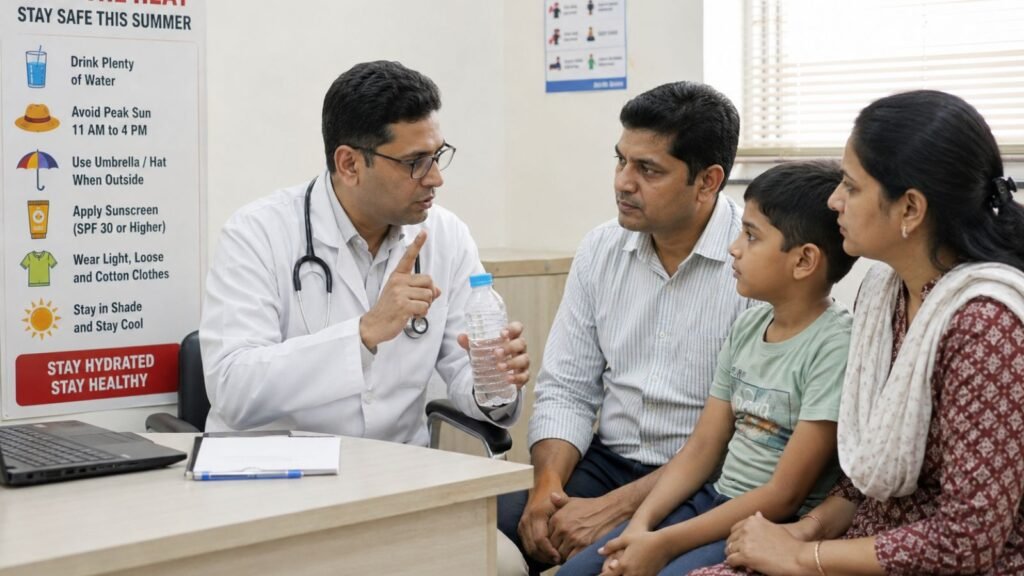
Proper Clothing and Home Environment
Simple adjustments can significantly reduce heat related discomfort.
Residents are advised to:
- Wear loose fitting clothing
- Choose light coloured cotton fabrics
- Avoid heavy synthetic materials
- Use shaded and well ventilated rooms
- Limit unnecessary physical exertion
Children and senior citizens should spend the hottest part of the day in the coolest available area of the home.
Water Intake Becomes Critical During Heatwaves
As temperatures remain elevated, dehydration cases are reportedly increasing across the city. Maintaining proper fluid intake is one of the most effective ways to reduce heat related health risks.
Drink Water Throughout the Day
Experts recommend drinking water consistently even when thirst is not immediately noticeable. Waiting until dehydration symptoms appear may already indicate fluid imbalance.
Use Electrolyte Replacement Drinks
In addition to plain water, residents can replenish lost salts through ORS solutions, buttermilk (Chhas), lemon water (Nimbu Paani), and coconut water. These beverages help restore electrolytes lost through sweating and support hydration during extended periods of heat.
Beverages to Avoid
Certain drinks can contribute to additional fluid loss and should be consumed cautiously during extreme weather. These include high caffeine beverages, excessively sugary drinks, and alcoholic beverages. Reducing consumption of these products can help maintain healthier hydration levels.
Best Time for Outdoor Travel
With temperatures remaining elevated, scheduling outdoor activities strategically can reduce heat exposure.
| Time Period | Recommendation |
|---|---|
| 12:00 PM to 4:00 PM | Avoid non essential travel (peak heat hours) |
| Before 10:00 AM | Safe for outdoor tasks |
| After 6:00 PM | Safe for outdoor tasks |
Important Advice for Public Transport Users
Public transport passengers often spend considerable time waiting outdoors, making heat protection especially important.
- Carry umbrellas, sunglasses, cotton caps, and lightweight scarves for sun protection
- Always carry a refillable water bottle to prevent dehydration during longer journeys
- Choose air conditioned transport when available including Ahmedabad Metro, air conditioned AMTS buses, and air conditioned BRTS services
Recognizing Heatstroke Symptoms Early
Heat related illnesses can develop quickly if warning signs are ignored.
| Condition | Symptoms |
|---|---|
| Heat Exhaustion | Excessive sweating, muscle cramps, severe fatigue, dizziness, nausea, vomiting, persistent headaches |
| Heatstroke (Medical Emergency) | High body fever, sudden confusion, loss of consciousness, fainting, hot and dry skin, red skin without sweating |
First Aid for Heatstroke Victims
Quick action can be lifesaving during a heat emergency.
- Move the person to a shaded or air conditioned location
- Apply cool wet cloths to the head, neck, and armpits
- Loosen tight clothing
- Offer small sips of water or ORS if the person is conscious
- Seek medical assistance immediately
Emergency Helpline Numbers in Ahmedabad
To strengthen heatwave preparedness, authorities have implemented Heat Action Plan measures across public health facilities.
| Emergency Type | Helpline Number |
|---|---|
| Medical Emergency / Ambulance | 108 or 112 |
| Ahmedabad Municipal Corporation (AMC) Helpline | 155303 |
Residents can use these services for emergency medical assistance, civic support, and information regarding cooling facilities.
Conclusion
Ahmedabad ongoing heatwave continues to challenge residents as temperatures remain above normal and the southwest monsoon arrival remains delayed. With maximum temperatures consistently crossing 40°C, the risk of dehydration, heat exhaustion, and heatstroke remains elevated across the city. Particular attention should be given to children, senior citizens, outdoor workers, and public transport users, who face increased exposure to extreme conditions. Following proper hydration practices, limiting travel during peak afternoon hours, recognizing early warning symptoms, and knowing emergency contact numbers can significantly reduce health risks. Until weather conditions improve, residents are encouraged to remain cautious, stay hydrated, and follow all recommended heat safety measures.
Frequently Asked Questions
Q1. What is the current temperature range in Ahmedabad during the heatwave
A1. Maximum temperatures are consistently remaining between 40.6°C and 41.3°C, approximately 1°C to 2°C above the seasonal normal.
Q2. Which areas in Ahmedabad experience the highest heat levels
A2. Higher heat zones include Gota, Chandlodia, Vatva, and Naroda due to dense commercial, industrial, and residential development with limited vegetation.
Q3. What are the emergency helpline numbers for heat related emergencies in Ahmedabad
A3. For medical emergencies and ambulance, dial 108 or 112. For AMC helpline, dial 155303.
Q4. What are the symptoms of heatstroke that require immediate medical attention
A4. Critical symptoms include high body fever, sudden confusion, loss of consciousness, fainting, hot and dry skin, and red skin without sweating.
Q5. What is the recommended time to avoid outdoor travel during the heatwave
A5. Residents should minimize non essential travel between 12:00 PM and 4:00 PM when solar radiation and heat intensity are at their highest.