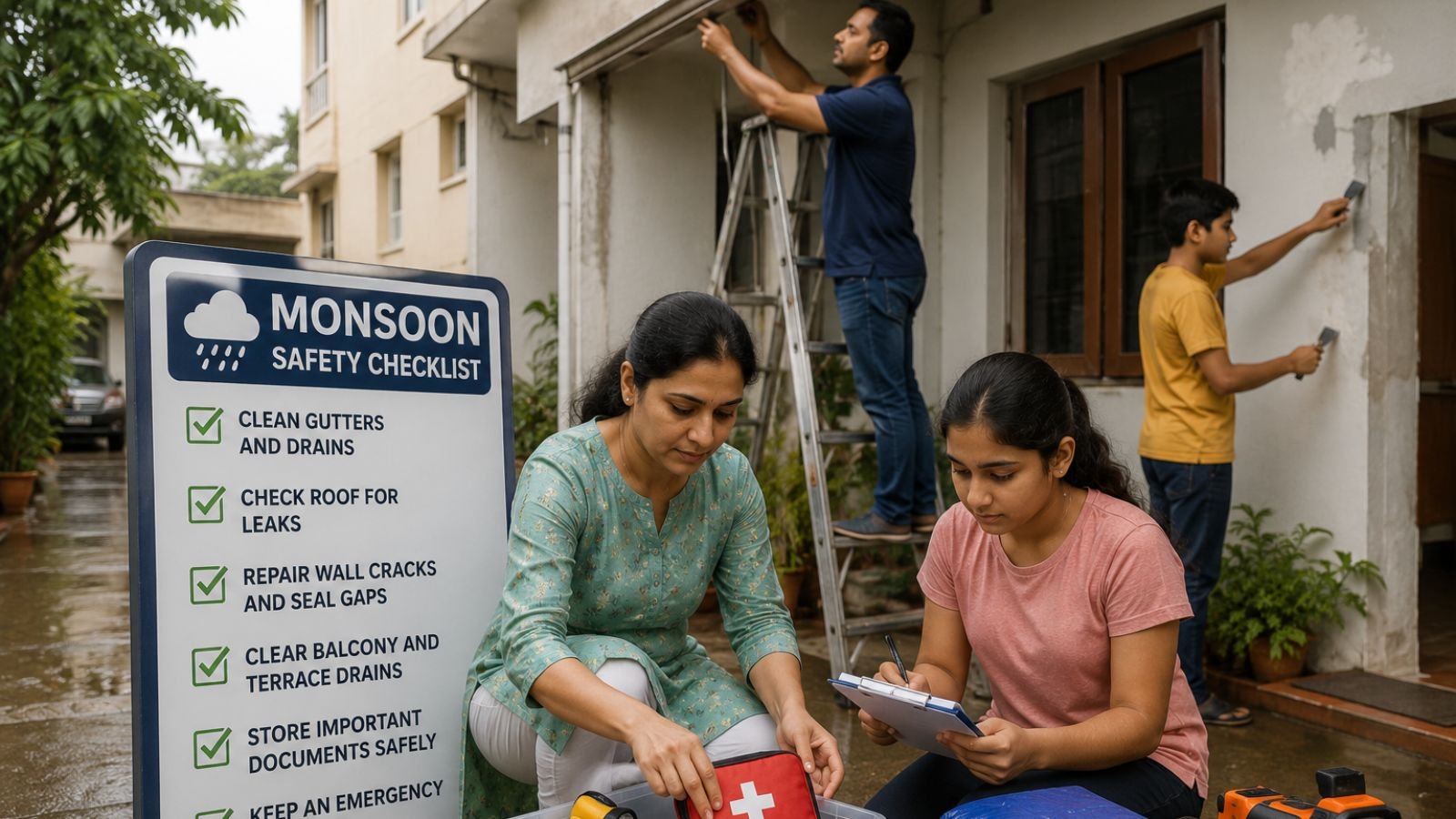
The Gujarat government has activated a comprehensive Zero Casualty disaster response plan ahead of the 2026 southwest monsoon season. Under the leadership of Chief Secretary Shri M.K. Das, state, district, and taluka level control rooms have been mobilized to strengthen preparedness and emergency response capabilities across Gujarat. According to weather forecasts, localized heavy rainfall and thunderstorms may affect several regions, including Saurashtra and South Gujarat districts such as Surat, Valsad, and Bhavnagar. As monsoon activity intensifies, residents are being encouraged to prepare their homes, families, vehicles, and emergency supplies in advance. This guide brings together practical monsoon preparedness measures using officially highlighted safety recommendations.
Why Monsoon Preparedness Matters in Gujarat
The monsoon season brings welcome relief from summer heat, but it also introduces challenges such as waterlogging, power disruptions, road hazards, lightning storms, structural damage, and health risks. Preparing before heavy rainfall begins allows households to reduce risks and respond more effectively during emergencies. Small preventive actions taken today can help prevent larger problems later, particularly during periods of intense rainfall. The government focus on a Zero Casualty approach highlights the importance of community level awareness and personal preparedness.
Monsoon Preparation Checklist for Every Household
A well prepared household is better equipped to handle temporary disruptions caused by severe weather.
Prepare an Emergency Kit
Every family should maintain a waterproof emergency kit containing essential items that may be required during unexpected situations.
- Flashlight and spare batteries
- First aid supplies
- Emergency whistle
- Three day stock of non perishable food
Protect Important Documents
Critical personal documents should be protected from moisture and flooding. Store documents such as birth certificates, property papers, and Aadhaar cards inside heavy duty waterproof zip lock pouches. Document protection is often overlooked but becomes extremely important during floods or water leakage incidents.
Clear Drains and Water Outlets
Blocked drains are one of the most common causes of water accumulation during heavy rainfall. Residents should clean terrace drainage outlets, remove debris from household drains, and inspect sewer traps. Regular maintenance can prevent water from entering living areas.
Prepare Backup Power Sources
Power interruptions can occur during storms and heavy rainfall. Before monsoon conditions intensify, fully charge power banks, test emergency lamps, keep candles available, and store matchboxes safely. Having alternative lighting sources helps households manage temporary outages comfortably.
Stock Essential Medicines
Families should maintain an adequate supply of essential healthcare products. Recommended preparations include a fifteen day supply of prescribed medicines, baby formula where required, and essential healthcare products. This reduces dependency on immediate purchases during adverse weather conditions.
Home Safety Tips Before Heavy Rainfall
A house inspection before the monsoon can help identify vulnerabilities that may worsen during storms.
| Home Safety Check | Action Required |
|---|---|
| Roof conditions | Inspect roof tiles, concrete slab cracks, gutters, rainwater channels |
| Loose outdoor items | Secure flower pots, outdoor furniture, metal sheets, balcony decorative items |
| Windows and openings | Check window latches, rubber seals, frame joints |
| Indoor safety | Install rubber mats at entrances, maintain dry walking surfaces |
| Structural safety | Monitor boundary walls, moisture patches, visible cracks |
Applying waterproof sealants where necessary can reduce the risk of water seepage. Strong winds often accompany thunderstorms, so securing loose items helps prevent damage caused by flying objects.
Vehicle Protection During Monsoon
Monsoon conditions can significantly affect vehicle safety and performance.
| Vehicle Check | Action Required |
|---|---|
| Wiper performance | Replace damaged wiper blades, test windshield cleaning systems |
| Vehicle lighting | Ensure headlights, tail lights, fog lamps are working correctly |
| Tyre condition | Check tread depth, tyre condition, overall grip quality |
| Parking practices | Avoid old trees, weak billboards, waterlogging prone basements |
Properly functioning wipers improve road safety. Good visibility helps both drivers and pedestrians during poor weather conditions. Worn tyres increase the risk of skidding and hydroplaning.
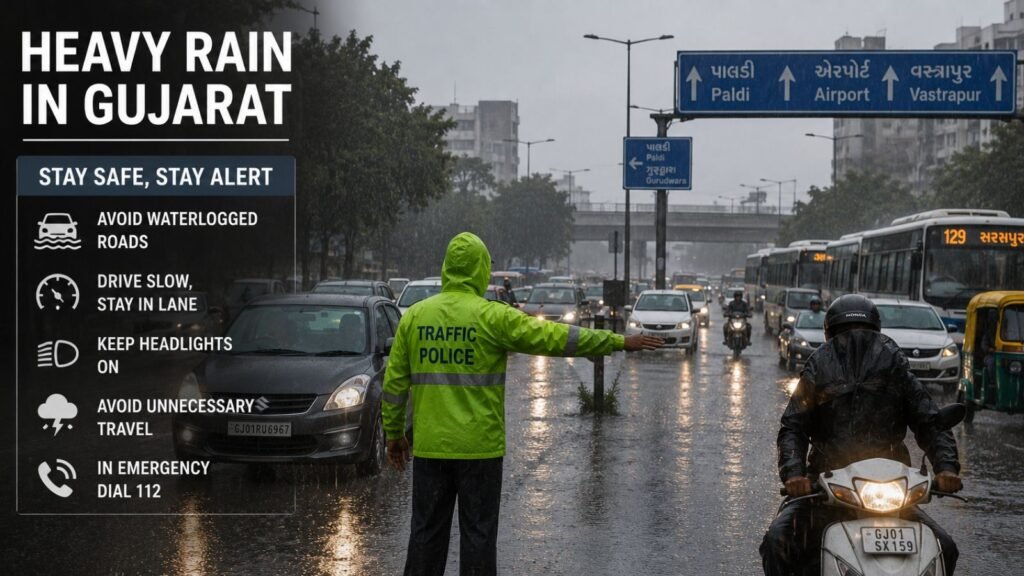
Driving Through Waterlogged Roads
If driving through shallow puddles becomes unavoidable, drive slowly, avoid sudden acceleration, and gently apply brakes afterward to dry brake components.
Hydro Lock Prevention
If a vehicle stalls in deep water, do not restart the engine immediately. Restarting can pull water into the engine and cause severe mechanical damage.
Electricity Safety During Monsoon
Electrical hazards increase significantly during rainy weather.
| Safety Measure | Action |
|---|---|
| Avoid wet contact | Never touch switches with wet hands or operate appliances barefoot |
| Disconnect electronics | Unplug televisions, computers, ACs during lightning storms |
| Test safety devices | Check RCCB and ELCB functioning |
| Stay away from hazards | Maintain distance from fallen power lines, damaged transformers, waterlogged electrical poles |
Report Electrical Emergencies
Residents should contact the Electricity Complaint Helpline at 1912 for fallen lines, sparks, transformer issues, or power related hazards.
Travel Safety During Rainy Conditions
Travel plans may require additional caution during monsoon months.
- Check route conditions before long distance travel by reviewing official warnings and weather updates
- Reduce driving speed by approximately 20 to 30 km/h below normal driving speeds when road conditions deteriorate
- Avoid flooded routes including submerged roads, waterlogged underpasses, and flooded bridges
- Maintain highway safety distance with a three vehicle gap to improve reaction time
Safety Tips for School Going Children
Children require additional protection during the monsoon season.
| Safety Measure | Action |
|---|---|
| Rain gear | Provide high visibility raincoats and slip resistant gumboots |
| Hygiene habits | Wash hands upon reaching school and after returning home |
| Safe drinking water | Carry personal thermos bottles with boiled drinking water |
| Street safety | Avoid stagnant water, flooded areas, sheltering under metallic structures during thunderstorms |
Health Precautions During Monsoon
Health risks often increase during prolonged wet weather conditions.
- Drink safe water: Consume boiled water or properly filtered water to reduce exposure to waterborne illnesses
- Maintain food hygiene: Avoid raw salads, uncut fruits, and unhygienic street food. Freshly prepared hot meals are generally safer
- Prevent mosquito breeding: Regularly empty flower pots, old tyres, and open containers to reduce mosquito populations
- Personal protection: Use mosquito nets, apply mosquito repellents, and keep sleeping areas protected
Important Emergency Numbers in Gujarat
Residents should save these emergency contacts for quick access.
| Service | Number | Purpose |
|---|---|---|
| All in One Emergency | 112 | Police, Fire, Ambulance and Disaster Support |
| State Disaster Control | 1070 | Natural calamities and flood assistance |
| District Disaster Cell | 1077 | Local rescue and relief coordination |
| Ambulance Service | 108 | Medical emergencies and trauma support |
| Pregnancy and Maternal Care | 102 | Maternal healthcare ambulance service |
| Health Advisory | 104 | Non emergency medical guidance |
| Electricity Complaint | 1912 | Power failures, sparks and electrical hazards |
| Women Helpline | 181 | Assistance for women in distress |
| Child Helpline | 1098 | Emergency support for children |
Conclusion
With Gujarat activating its Zero Casualty monsoon preparedness strategy, citizens also have an important role to play in reducing risks during the 2026 rainy season. Preparing emergency kits, protecting important documents, maintaining homes, inspecting vehicles, practicing electrical safety, and following health precautions can significantly improve family safety during severe weather conditions. A proactive approach today can help prevent emergencies tomorrow. By staying informed, following safety recommendations, and keeping emergency numbers accessible, residents can navigate the monsoon season more safely and confidently.
Frequently Asked Questions
Q1. What is the Zero Casualty disaster response plan in Gujarat
A1. The Zero Casualty plan is a comprehensive monsoon preparedness strategy activated by the Gujarat government to minimize loss of life through coordinated state, district, and taluka level control rooms and emergency response systems.
Q2. What should be included in a household emergency kit for monsoon
A2. A waterproof emergency kit should include flashlight with spare batteries, first aid supplies, emergency whistle, and a three day stock of non perishable food.
Q3. How can I protect important documents during monsoon flooding
A3. Store critical documents such as birth certificates, property papers, and Aadhaar cards inside heavy duty waterproof zip lock pouches to protect them from moisture and flood damage.
Q4. What should I do if my vehicle stalls in deep water
A4. Do not restart the engine immediately. Restarting can pull water into the engine and cause severe mechanical damage (hydro lock). Seek professional assistance.
Q5. What are the emergency helpline numbers to save in Gujarat
A5. Key numbers include 112 (all in one emergency), 1070 (State Disaster Control), 108 (Ambulance), 1912 (Electricity Complaint), 181 (Women Helpline), and 1098 (Child Helpline).