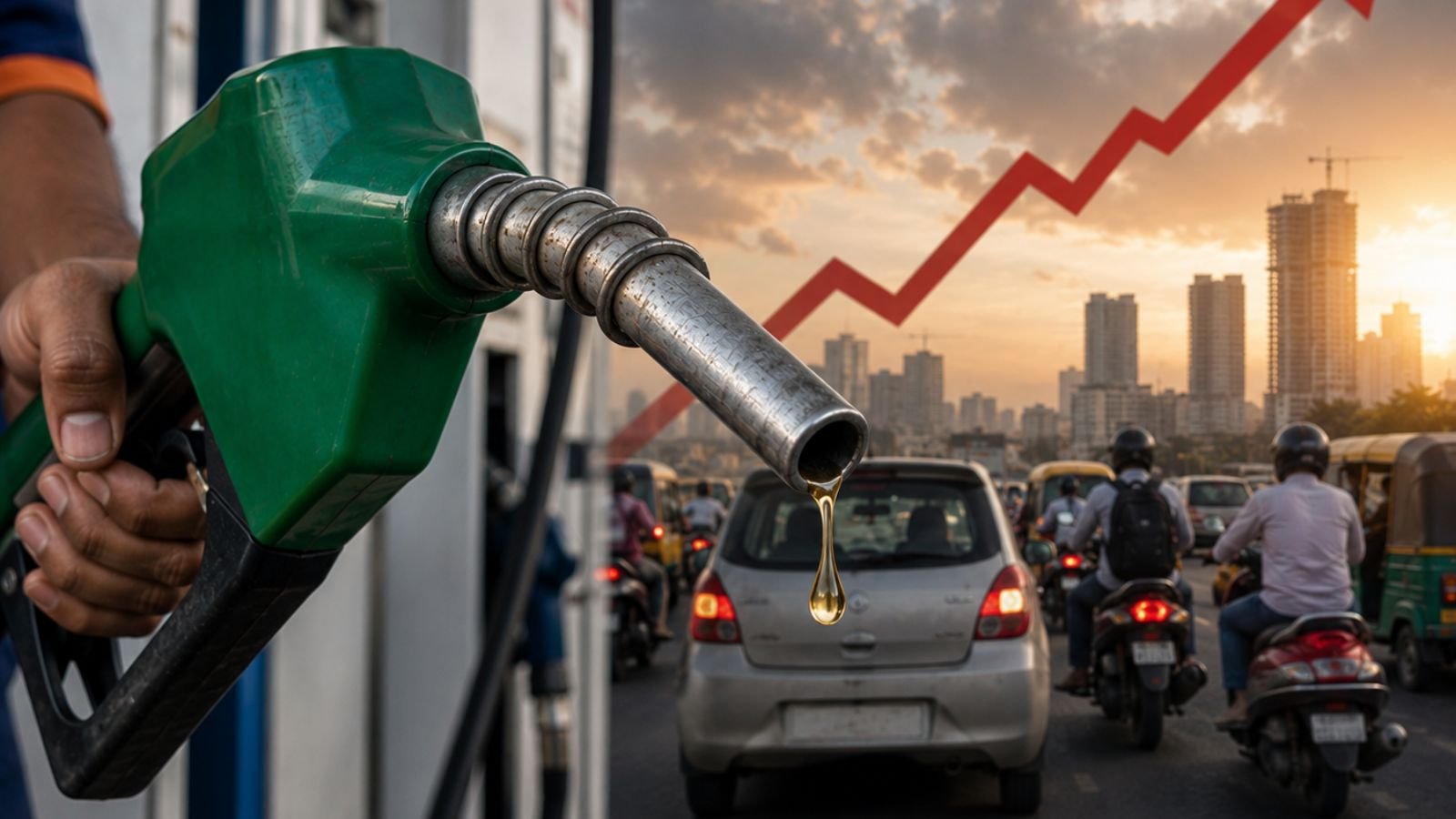
Fuel prices across India have surged sharply once again, adding fresh pressure on household budgets and transportation costs. The latest revision on Monday, May 25, 2026, marked the fourth major fuel price hike in less than two weeks, pushing cumulative petrol and diesel increases beyond ₹7.5 per litre since May 15. According to the provided information, petrol prices were increased by up to ₹2.61 per litre, while diesel prices rose by as much as ₹2.71 per litre during the latest adjustment cycle. The continuous upward movement in fuel prices is now becoming a major concern for commuters, transport operators, businesses, and inflation sensitive sectors across the country. The latest fuel revisions come amid growing global crude oil disruptions linked to the ongoing Middle East conflict and supply concerns surrounding the critical Strait of Hormuz shipping route.
Latest Fuel Price Hike on May 25, 2026
The newest revision is being described as the steepest increase in the current fuel adjustment cycle.
- Petrol prices increased by up to ₹2.61 per litre
- Diesel prices increased by up to ₹2.71 per litre
- Total cumulative hike since May 15 crossed ₹7.5 per litre
This is now the fourth major revision in under two weeks, indicating that fuel retailers are aggressively adjusting prices after maintaining a prolonged freeze for over 70 days.
Why Petrol and Diesel Prices Are Rising in India
The current fuel price surge is being driven by a combination of international and domestic factors.
Middle East Conflict Creating Global Oil Pressure
One of the biggest reasons behind the price increase is the growing instability in global crude oil supply chains. According to the provided information, the ongoing US Iran conflict disrupted oil movement, shipping activity near the Strait of Hormuz faced heavy pressure, and international crude supply became volatile. The Strait of Hormuz remains one of the world most critical oil transportation corridors. Any disruption in this route directly impacts global crude prices and eventually affects retail fuel rates in countries like India. Because India imports a significant portion of its crude oil requirements, international price fluctuations quickly influence domestic petrol and diesel pricing.
End of the Fuel Price Freeze
Another major factor behind the recent hikes is the end of a long retail price freeze maintained by Indian Oil Marketing Companies (OMCs). According to the provided information, OMCs kept prices frozen for more than 70 days, international crude prices had already risen sharply during that period, and companies are now trying to recover accumulated financial losses. This delayed adjustment mechanism caused fuel retailers to absorb rising crude costs temporarily. Now that revisions have resumed, prices are increasing rapidly to balance earlier losses.
Petrol and Diesel Prices Vary Across Indian States
Fuel prices continue to differ significantly across India because each state imposes different Value Added Tax (VAT), local levies, transportation charges, and freight costs. As a result, consumers in some states are paying substantially more than others.
State Wise Petrol and Diesel Prices on May 26, 2026
| State / City | Petrol (per litre) | Diesel (per litre) |
|---|---|---|
| Andhra Pradesh | ₹117.68 | ₹105.43 |
| Kerala | ₹115.49 | ₹104.40 |
| West Bengal (Kolkata) | ₹113.51 | ₹99.82 |
| Rajasthan | ₹112.66 | ₹97.78 |
| Maharashtra (Mumbai) | ₹111.21 | ₹97.83 |
| Karnataka (Bengaluru) | ₹110.93 | ₹98.54 |
| Delhi | ₹102.12 | ₹95.20 |
| Andaman & Nicobar | ₹88.66 | ₹84.56 |
The data reflects select state capital or major city prices as of May 26, 2026, and rates may continue changing based on daily revisions by OMCs.
Which States Currently Have the Highest Fuel Prices?
Based on the provided figures, Andhra Pradesh currently records the highest petrol and diesel prices among listed regions. Kerala also remains among the most expensive states for fuel. West Bengal and Rajasthan continue seeing elevated retail rates. The primary reason for these higher prices is local taxation combined with freight related expenses.
Regions With Relatively Lower Fuel Prices
Some regions continue offering comparatively cheaper fuel prices. According to the provided information, Andaman and Nicobar currently records some of the lowest fuel rates. Goa is also mentioned among lower priced regions. Lower taxation structures and reduced freight burdens help keep prices relatively stable in these areas.
Impact of Rising Fuel Prices on Common Citizens
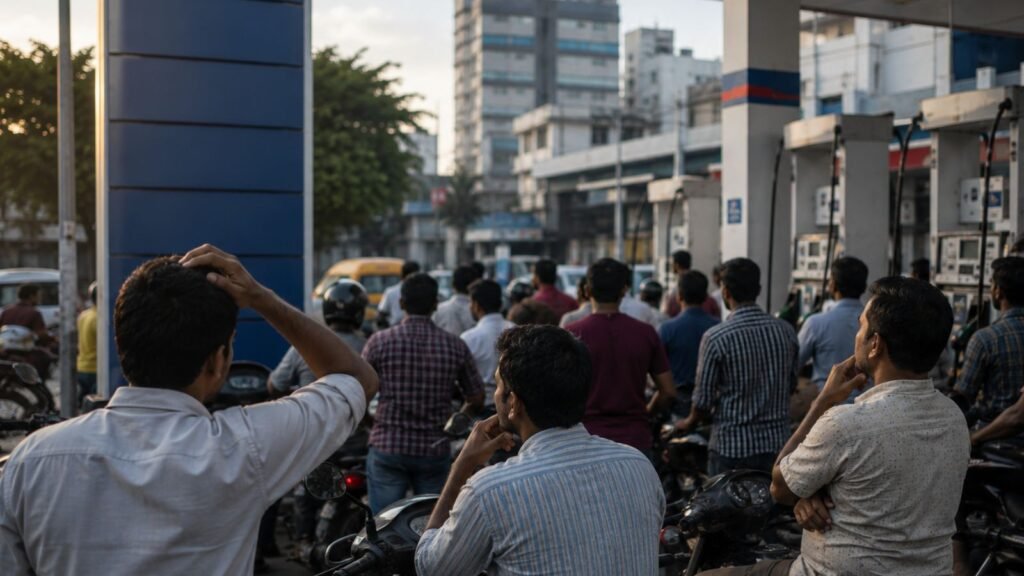
The continuous rise in petrol and diesel prices is likely to affect millions of Indians directly and indirectly.
Transportation Costs Increasing
Higher diesel prices usually impact truck transportation, logistics operations, bus services, taxi fares, and goods delivery expenses. As transportation becomes more expensive, businesses often pass those costs to consumers.
Pressure on Household Budgets
Petrol price hikes directly affect office commuters, bike users, daily travelers, and middle class households. Families already managing inflation and rising living costs may now face additional pressure on monthly budgets.
Food and Grocery Prices Could Rise Further
Fuel inflation often spreads into broader consumer pricing. As transportation costs increase:
- Vegetable prices may rise
- Packaged goods become more expensive
- Delivery charges increase
- Supply chains become costlier
This can contribute to wider inflation across the economy.
Why Diesel Prices Matter More for Inflation
Although petrol affects personal commuters heavily, diesel has an even bigger impact on the broader economy. Diesel powers freight transport, agriculture equipment, industrial logistics, and public transportation systems. A sustained increase in diesel prices often creates inflationary pressure across multiple sectors simultaneously.
Oil Marketing Companies Under Financial Stress
The provided information indicates that Indian OMCs absorbed rising crude costs for over two months before resuming daily revisions. This suggests companies may have faced shrinking profit margins, operational losses, and pricing pressure from international crude markets. Now that revisions have restarted, aggressive hikes are helping retailers recover earlier cost burdens.
Global Crude Oil Volatility Remains a Major Concern
The international oil market continues facing uncertainty due to geopolitical tensions. The ongoing conflict involving the United States, Iran, and Strait of Hormuz shipping routes has created volatility in crude oil supply, shipping costs, and global energy pricing. If these tensions continue, fuel prices may remain unstable in the coming weeks.
Could Fuel Prices Increase Further?
The provided information does not confirm future revisions, but several factors suggest volatility may continue:
- Unresolved Middle East tensions
- International crude instability
- Recovering OMC losses
- Global shipping disruptions
If crude oil prices continue rising globally, domestic petrol and diesel prices may also remain under upward pressure.
Consumers Searching for Ways to Reduce Fuel Expenses
As fuel becomes more expensive, many consumers are expected to reduce unnecessary travel, use public transportation more frequently, optimize commuting routes, and carpool whenever possible. Businesses may also attempt to reduce operational fuel usage to control costs.
Economic Impact Beyond Transportation
Fuel price hikes influence much more than mobility alone. Higher petrol and diesel rates can impact inflation trends, retail pricing, manufacturing costs, agriculture expenses, and supply chain efficiency. This is why fuel pricing remains one of the most closely watched economic indicators in India.
Daily Fuel Revisions Returning to Focus
After more than 70 days of frozen retail pricing, daily revisions have once again become a central topic for consumers. The recent rapid hikes show how quickly prices can adjust once OMCs begin responding directly to international crude trends. Consumers across India are now closely monitoring daily fuel revisions as uncertainty continues in global energy markets.
Conclusion
India is witnessing another sharp increase in petrol and diesel prices as fuel rates continue climbing rapidly across the country. The latest revisions on May 25, 2026, pushed cumulative fuel hikes beyond ₹7.5 per litre in just 11 days, creating fresh concerns over inflation, transportation costs, and household financial pressure. The combination of Middle East geopolitical tensions, disruptions near the Strait of Hormuz, and the end of India prolonged fuel price freeze has created a volatile pricing environment for consumers and businesses alike. With some states already recording petrol prices above ₹117 per litre, the impact of rising fuel costs is likely to spread further into transportation, logistics, grocery pricing, and overall living expenses. As global crude markets remain uncertain, Indian consumers may continue facing fluctuating fuel prices in the coming weeks.
Frequently Asked Questions
Q1. How much have petrol and diesel prices increased since May 15, 2026?
A1. Cumulative petrol and diesel increases have crossed beyond ₹7.5 per litre since May 15, 2026, with the latest hike on May 25 marking the fourth major revision in under two weeks.
Q2. What were the latest fuel price hikes on May 25, 2026?
A2. Petrol prices increased by up to ₹2.61 per litre, while diesel prices rose by as much as ₹2.71 per litre during the latest adjustment cycle.
Q3. Which state has the highest petrol price in India?
A3. Andhra Pradesh currently records the highest petrol price at ₹117.68 per litre among the listed regions.
Q4. Why are fuel prices rising in India?
A4. Fuel prices are rising due to Middle East geopolitical tensions, disruptions near the Strait of Hormuz, international crude volatility, and the end of India 70 day fuel price freeze where OMCs are recovering accumulated losses.
Q5. How does diesel price impact the broader economy?
A5. Diesel powers freight transport, agriculture equipment, industrial logistics, and public transportation. A sustained increase in diesel prices often creates inflationary pressure across multiple sectors simultaneously.