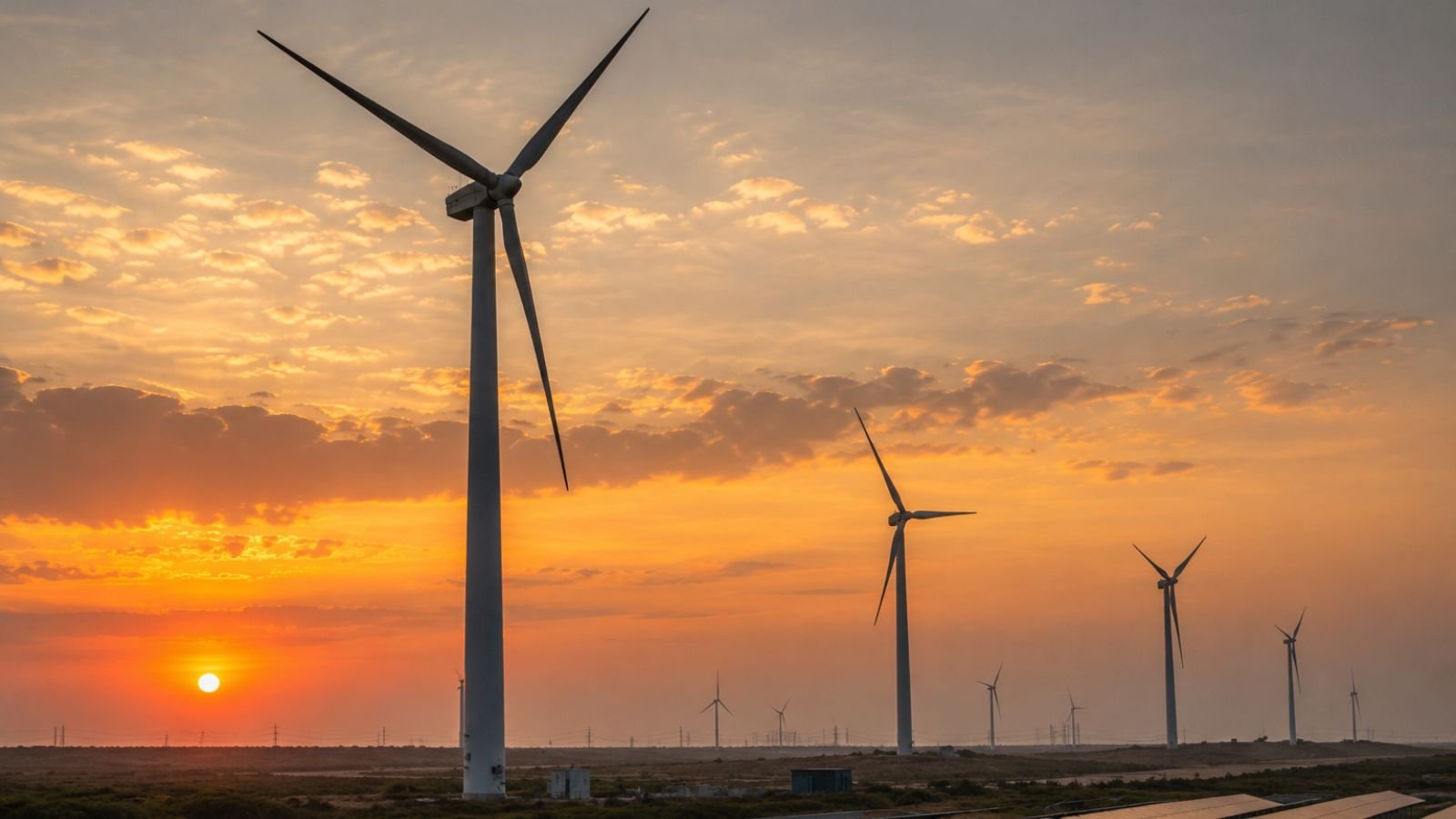
Tata Power Renewable Energy Limited (TPREL) has successfully commissioned its 100 MW Rojmal Wind Project in Gujarat, marking another major milestone in India fast growing renewable energy sector. The newly operational wind energy project is expected to significantly strengthen Gujarat green power infrastructure while contributing to Tata Power broader transition toward clean and sustainable electricity generation. According to the project details, the Rojmal Wind Project will generate approximately 140 million units (MUs) of clean electricity annually and help avoid nearly 114,800 tonnes of carbon dioxide (CO₂) emissions every year. The commissioning of the project comes at a time when Gujarat continues expanding its position as one of India leading renewable energy states.
Tata Power 100 MW Rojmal Wind Project Goes Live
The Rojmal Wind Project has been developed by Tata Power Renewable Energy Limited (TPREL), the clean energy subsidiary of Tata Power. The project represents another step in Tata Power long term strategy to reduce dependence on thermal coal, expand renewable generation capacity, improve grid sustainability, and support India clean energy transition. The project also demonstrates growing private sector investment in utility scale renewable energy infrastructure across Gujarat.
Key Impact of the Rojmal Wind Project
The newly commissioned project is expected to deliver multiple environmental and operational benefits.
| Impact Area | Details |
|---|---|
| Annual Green Electricity Generation | 140 million units (MUs) |
| Carbon Emission Reduction | Approximately 114,800 tonnes of CO₂ avoided every year |
| Technology Features | Real time analytics, advanced monitoring systems, next generation fault management tools |
The renewable output can help improve long term sustainability across industrial and urban electricity demand zones. Digital infrastructure is increasingly becoming a major component of modern renewable energy projects.
Gujarat Strengthens Renewable Energy Leadership
The commissioning of the Rojmal Wind Project further reinforces Gujarat position as one of India strongest renewable energy hubs. The state has aggressively expanded its renewable infrastructure across wind power, solar parks, hybrid energy projects, and utility scale green corridors. The latest wind farm adds another major clean energy asset to Gujarat rapidly growing green power ecosystem.
Gujarat Renewable Capacity Crosses 42.5 GW
According to the latest renewable infrastructure data, Gujarat installed renewable energy capacity has crossed 42.5 GW. The state currently contributes more than 16.5 percent of India total green power generation, making Gujarat one of the country most important renewable energy producing regions.
Expansion of Utility Scale Renewable Infrastructure
Gujarat renewable ecosystem includes massive ground mounted solar parks, wind energy corridors, rooftop solar expansion, and hybrid renewable facilities. The state geographic conditions, including coastal wind zones and large open land availability, have supported rapid renewable development.
Tata Power Broader Renewable Energy Strategy
The Rojmal Wind Project is also part of Tata Power larger corporate transition toward clean energy. The company is currently executing a major strategic shift away from conventional thermal power generation.
| Strategic Goal | Target |
|---|---|
| Green Energy Capacity Goal | 15 GW of renewable energy capacity |
| Clean Energy Mix Target | 60% to 70% of total generation capacity from clean energy sources |
| Renewable Investment Plan | ₹60,000 crore |
Gujarat Renewable Expansion Plans
Tata Power has also signed a Memorandum of Understanding (MoU) with the Government of Gujarat for large scale renewable development. The proposed expansion includes 10,000 MW of renewable projects spread across 50,000 acres. This indicates the scale at which Gujarat is preparing for future green energy growth.
Industrial Partnerships and PPAs
The company is also building long term partnerships with major industries through Power Purchase Agreements (PPAs). One highlighted project includes a 131 MW wind solar hybrid project with Tata Motors. These agreements help improve renewable adoption by industries, reduce industrial carbon footprints, and stabilize long term energy procurement.
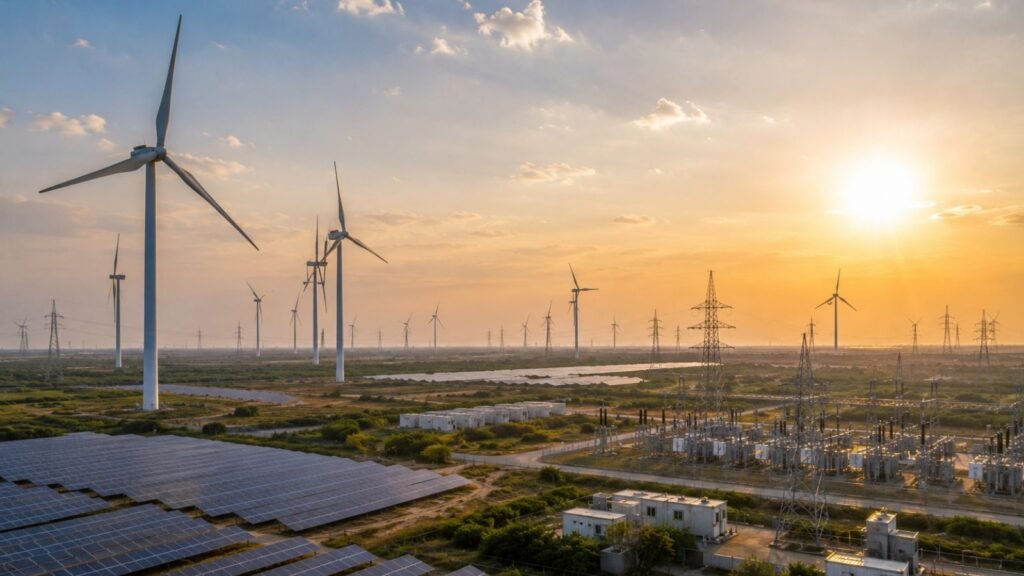
Gujarat Major Solar and Wind Parks
| Project | Location | Capacity | Key Highlights |
|---|---|---|---|
| Khavda Renewable Energy Park | Kutch | 30 GW to 37 GW | World largest hybrid solar wind park, built on salt plains of Rann of Kutch |
| Charanka Solar Park | Charanka | 749 MW | Early landmark solar development, multi developer solar zone |
| Radhanesda Solar Park | Radhanesda | 700 MW | Supports utility scale power infrastructure |
| Dholera Solar Park | Dholera | 300 MW (expanding) | Integrated with Dholera Special Investment Region (SIR) |
Why Wind Energy Matters for India
Wind energy continues playing a crucial role in India renewable transition because it produces zero direct emissions, reduces coal dependency, supports energy diversification, and improves long term sustainability. Wind projects also help stabilize renewable generation when combined with solar and storage systems.
Growing Focus on Hybrid Renewable Infrastructure
India renewable sector is increasingly moving toward wind solar hybrid systems, integrated energy storage, and smart grid connectivity. This helps improve grid stability, round the clock renewable availability, and energy balancing efficiency. The Rojmal Wind Project forms part of this broader modernization effort.
Renewable Energy and Carbon Reduction Goals
India continues targeting long term sustainability and carbon reduction goals through clean energy investments, green infrastructure development, renewable manufacturing expansion, and large scale renewable projects. Projects like Rojmal are expected to contribute significantly toward these national objectives.
Economic and Infrastructure Benefits
Apart from environmental advantages, renewable projects also support infrastructure growth, industrial energy security, rural economic activity, and technology deployment. The expansion of renewable corridors may also attract further investments into Gujarat industrial ecosystem.
Gujarat Emerging as India Green Energy Capital
With its rapidly growing renewable infrastructure, Gujarat is increasingly positioning itself as a renewable manufacturing hub, a utility scale clean energy leader, and a major solar and wind investment destination. Projects like Rojmal highlight the state continued momentum in large scale green power development.
Conclusion
The successful commissioning of Tata Power Renewable Energy Limited 100 MW Rojmal Wind Project marks another important milestone in Gujarat renewable energy journey. The project will generate 140 million units of clean electricity annually while helping reduce over 114,800 tonnes of carbon emissions every year. Backed by advanced analytics and smart monitoring systems, the project strengthens both renewable generation capacity and grid reliability. As Tata Power accelerates its broader clean energy transition and Gujarat continues expanding utility scale solar and wind infrastructure, projects like Rojmal are expected to play a major role in shaping India sustainable energy future.
Frequently Asked Questions
Q1. How much electricity will the Rojmal Wind Project generate annually?
A1. The Rojmal Wind Project will generate approximately 140 million units (MUs) of clean electricity annually.
Q2. How much carbon emissions will the project help avoid each year?
A2. The project will help avoid nearly 114,800 tonnes of carbon dioxide (CO₂) emissions every year.
Q3. Who developed the Rojmal Wind Project?
A3. The project was developed by Tata Power Renewable Energy Limited (TPREL), the clean energy subsidiary of Tata Power.
Q4. What is Gujarat total installed renewable energy capacity?
A4. According to latest data, Gujarat installed renewable energy capacity has crossed 42.5 GW, contributing more than 16.5 percent of India total green power generation.
Q5. What is Tata Power renewable energy investment plan?
A5. Tata Power plans to invest ₹60,000 crore toward renewable power expansion, utility scale projects, brownfield developments, and pumped storage infrastructure.