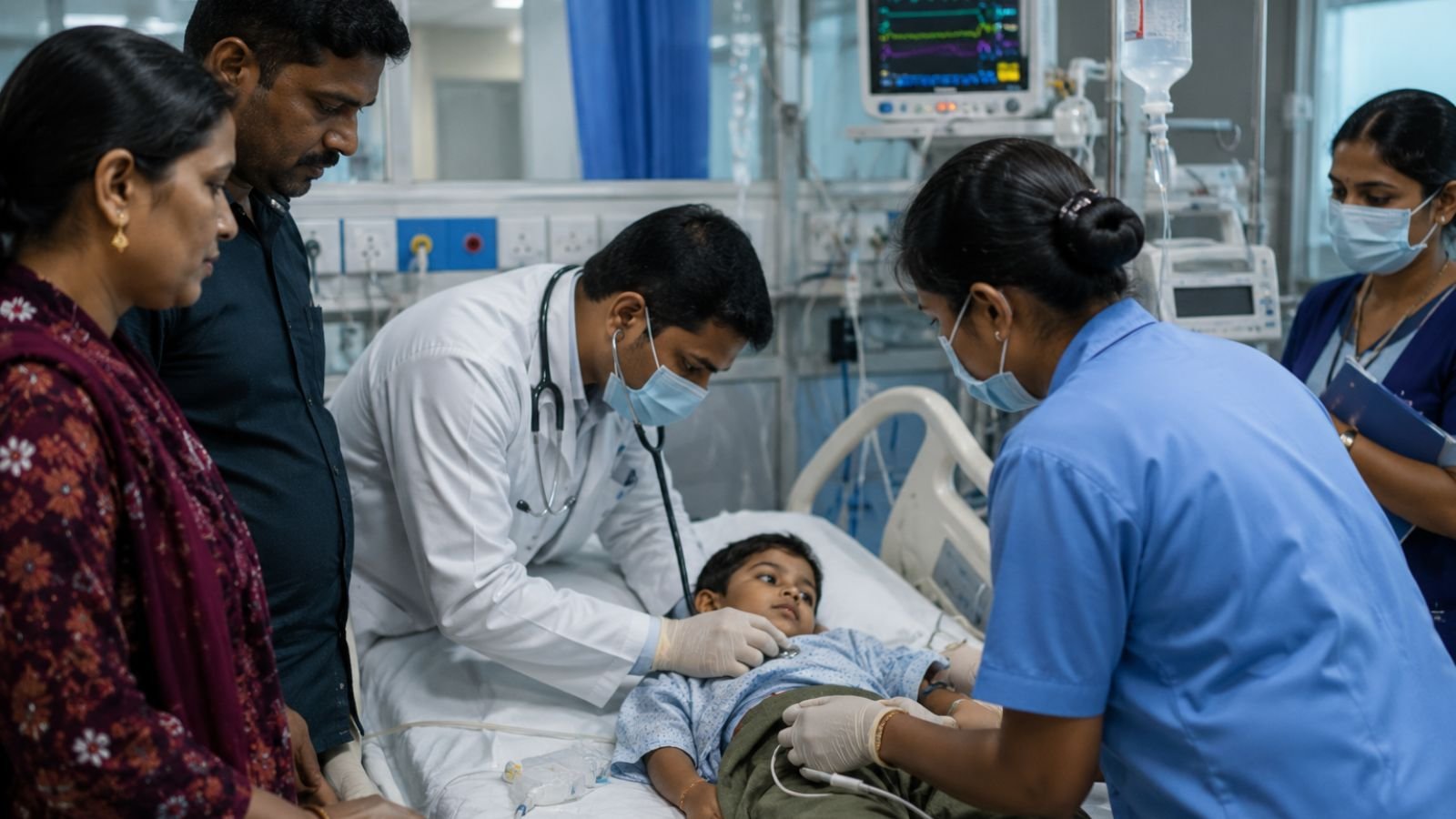
Chandipura Virus (CHPV) is a vector-borne viral infection that primarily causes Acute Encephalitis Syndrome (AES), a severe inflammation of the brain. The infection is considered highly dangerous for children under the age of 15. Since there is currently no specific vaccine or antiviral medicine available for Chandipura Virus, immediate medical care and effective insect prevention remain the most important methods to reduce the risk of severe illness. The active 2026 Chandipura Virus outbreak is heavily concentrated in India, mainly affecting multiple districts across Gujarat and parts of Rajasthan. The virus is endemic to specific climatic regions, and both historical and current outbreaks have remained localized to western, central, and southern parts of the country.
What is Chandipura Virus?
Chandipura Virus, commonly known as CHPV, is a viral infection transmitted through insect vectors. It primarily causes Acute Encephalitis Syndrome, a serious condition involving severe inflammation of the brain. The disease progresses rapidly and poses the highest risk to children below 15 years of age. One of the biggest challenges in managing the disease is the absence of a specific vaccine or antiviral treatment. Medical management focuses on supportive care while preventing insect bites remains the first line of defense against infection.
Current Chandipura Virus Outbreak in India
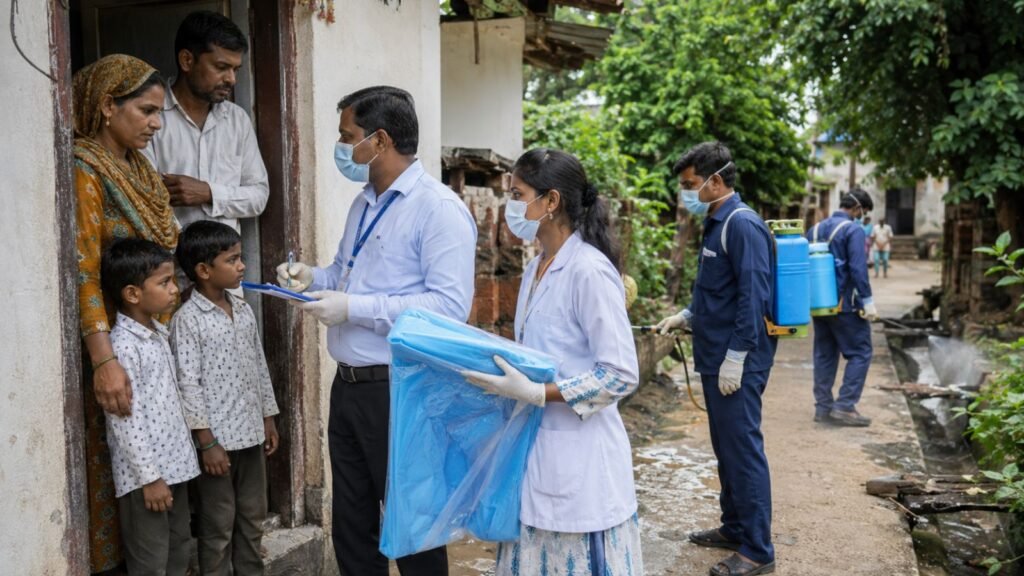
The active Chandipura Virus outbreak in 2026 is largely concentrated in India. Gujarat has emerged as the major hotspot, while parts of Rajasthan are also reporting affected cases. Health departments have increased door-to-door screenings and strengthened vector control measures in affected districts. The response aims to identify suspected infections quickly while reducing the breeding of insect vectors responsible for transmitting the virus. The virus continues to remain localized within regions where environmental conditions favor the survival and multiplication of insect carriers.
Gujarat Remains the Major Hotspot
According to the available information, Gujarat is the primary hotspot for the current outbreak. Cases have been reported across North Gujarat, the Saurashtra region, and the eastern tribal belt.
Affected locations include:
- Sabarkantha: Himmatnagar Civil Hospital has established a dedicated CHPV isolation ward
- Panchmahal, Banaskantha, Aravalli with specific attention to Meghraj taluka
- Kheda, Mehsana, Bharuch
- Bhavnagar including the Vallabhipur area
- Jamnagar
- Gir Somnath where the Una region has reported suspected cases
- Ahmedabad Municipal Corporation urban areas
Health authorities continue surveillance and preventive activities across these locations.
Rajasthan Also Reports Cases
Apart from Gujarat, Rajasthan has also reported Chandipura Virus activity. The available information identifies Udaipur district as an affected area. Several pediatric cases and fatalities linked to Udaipur have reportedly been treated at hospitals across the Gujarat border, highlighting the need for continued monitoring in neighboring regions.
Why Chandipura Virus Spreads
The virus is primarily transmitted through the bite of an infected female Phlebotomine sandfly. Mosquitoes and ticks may also act as secondary vectors. Outbreaks generally increase during the pre-monsoon and monsoon seasons. Warm temperatures and high humidity create favorable conditions for sandflies to breed rapidly in damp soil, mud walls, and animal sheds. Children are more vulnerable because their immune systems are still developing. In addition, the blood-brain barrier in young children is more permeable, allowing the virus to enter the central nervous system much faster than in adults. The available information also states that Chandipura Virus does not spread from person to person. Transmission occurs through insect bites rather than direct human contact.
Symptoms That Need Immediate Medical Attention
The disease can progress rapidly, often leading to severe complications within 48 to 72 hours. Immediate hospital care is recommended if a child develops warning symptoms.
- Sudden high fever
- Repeated or severe vomiting
- Seizures or convulsions
- Unusual drowsiness
- Extreme lethargy or confusion
Prompt medical attention is essential because the condition can worsen quickly during the early stages of infection.
Medical Treatment for Chandipura Virus
There is currently no direct cure or antiviral medicine for Chandipura Virus. Doctors provide supportive treatment designed to help the body fight the infection while protecting the brain from serious complications.
- Hospitalization for severe cases, with critically ill children shifted to the Pediatric Intensive Care Unit
- Hydration management through intravenous fluids to replace fluids lost due to repeated vomiting
- Fever control using antipyretic medicines such as paracetamol along with cold sponging
- Anticonvulsant medicines to control seizures if they occur
- Oxygen therapy or mechanical ventilation for children experiencing breathing difficulties
Supportive treatment remains the primary medical approach because no specific antiviral therapy is currently available.
Prevention Measures
Preventing insect bites remains the most effective method of protection against Chandipura Virus.
- Children should always sleep under fine mesh insecticide-treated bed nets, particularly during daytime naps and at night
- Parents should apply insect repellent creams, sprays, or gels to exposed skin before children spend time outdoors
- Children should wear light-colored full-sleeved clothing, full-length pants, and socks to reduce skin exposure
- Homes should be maintained by filling cracks and crevices in mud or concrete walls where sandflies rest and breed
- Regularly remove standing water, damp organic waste, and thick bushes around homes to reduce breeding sites
- Children should remain indoors during dusk and dawn when insect activity is generally highest
Historical Pattern of Chandipura Virus
Historically, Chandipura Virus has produced larger outbreaks every four to five years during the monsoon season, typically between May and September.
| Region | States Affected | Historical Significance |
|---|---|---|
| Western India | Maharashtra (first discovered in Chandipura village, 1965), Gujarat | Endemic region, primary outbreak zone |
| Central India | Madhya Pradesh | Part of endemic region |
| Southern India | Andhra Pradesh (major outbreak in 2003), Karnataka, Tamil Nadu, Kerala | Significant outbreaks recorded |
| Eastern India | Odisha, Bihar | Outbreaks recorded |
Global Status of Chandipura Virus
According to the available information, confirmed active human transmission of Chandipura Virus remains restricted to India. Although the virus has been detected in wild hedgehogs and sandflies in African countries including Nigeria and Senegal, there have been no documented human infections or outbreaks outside South Asia. This makes India the primary region where confirmed human transmission continues to occur.
Conclusion
Chandipura Virus remains a serious public health concern, particularly for children under 15 years of age. The disease causes Acute Encephalitis Syndrome, progresses rapidly, and currently has no specific vaccine or antiviral treatment. The ongoing 2026 outbreak is mainly concentrated in Gujarat, with additional cases reported in parts of Rajasthan. Since the virus spreads through infected insect vectors rather than person-to-person contact, prevention depends on avoiding insect bites, maintaining clean surroundings, using bed nets and repellents, and seeking immediate medical care if warning symptoms develop. Early recognition of symptoms and prompt supportive treatment remain the most effective approach to improving outcomes while health departments continue surveillance and vector control efforts in affected regions.
Frequently Asked Questions
Q1. What is Chandipura Virus?
A1. Chandipura Virus (CHPV) is a vector-borne viral infection that causes Acute Encephalitis Syndrome (AES), a severe inflammation of the brain, primarily affecting children under 15 years of age.
Q2. What are the symptoms of Chandipura Virus infection?
A2. Key symptoms include sudden high fever, repeated vomiting, seizures or convulsions, unusual drowsiness, extreme lethargy, and confusion. Symptoms progress rapidly within 48 to 72 hours.
Q3. Is there a vaccine or cure for Chandipura Virus?
A3. No, there is currently no specific vaccine or antiviral treatment available. Medical care focuses on supportive treatment including hospitalization, hydration, fever control, and management of seizures.
Q4. How does Chandipura Virus spread?
A4. The virus spreads primarily through the bite of infected female Phlebotomine sandflies. Mosquitoes and ticks may also act as secondary vectors. It does not spread from person to person.
Q5. Which states are affected by the 2026 Chandipura Virus outbreak?
A5. The current outbreak is mainly concentrated in Gujarat (Sabarkantha, Panchmahal, Banaskantha, Aravalli, Kheda, Mehsana, Bharuch, Bhavnagar, Jamnagar, Gir Somnath, Ahmedabad) and parts of Rajasthan (Udaipur).