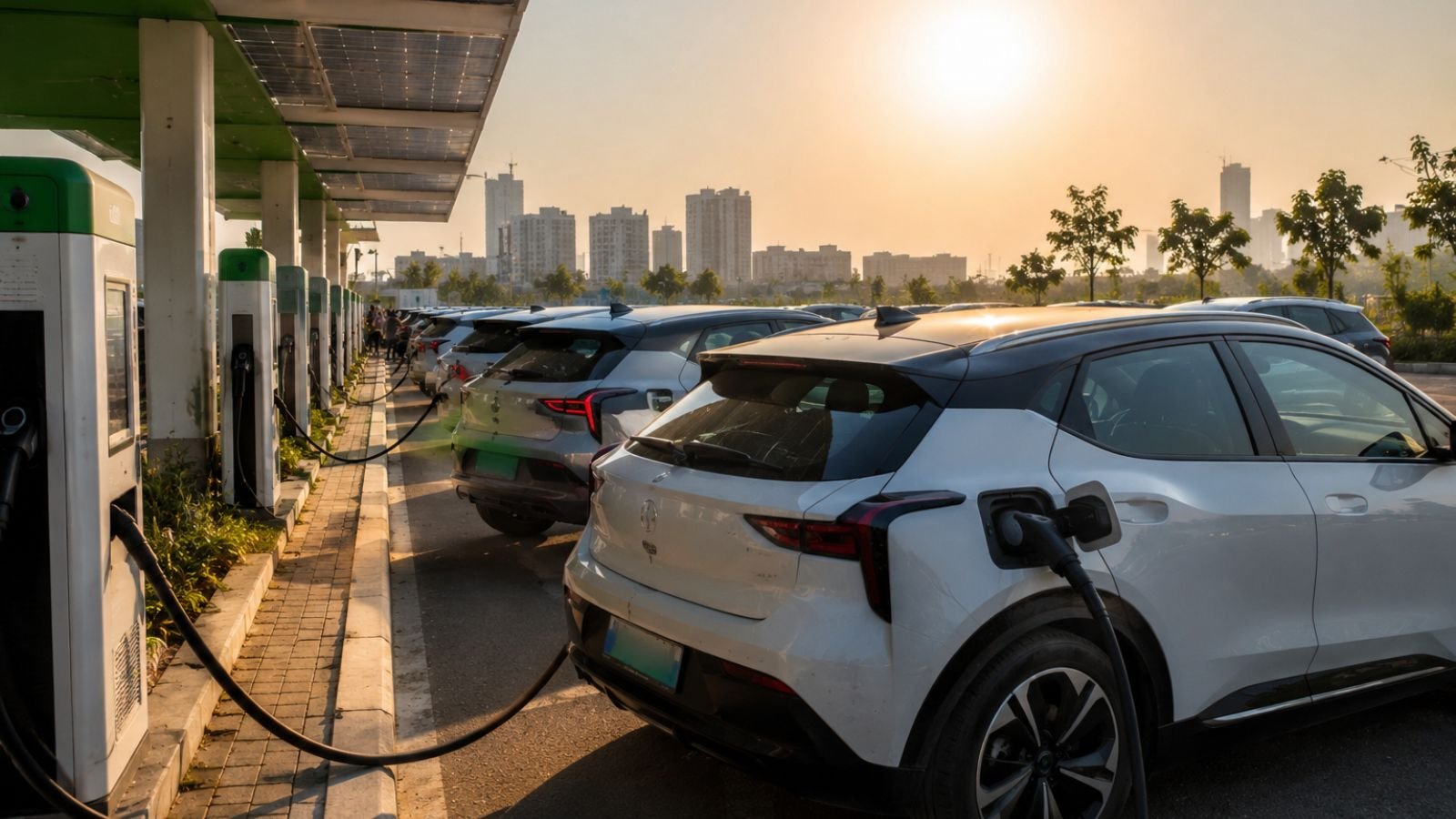
India electric vehicle market is witnessing a major transformation in 2026 as demand for EVs continues rising rapidly across multiple price segments. According to the provided information, local Electric Vehicle (EV) demand has surged by nearly 50 percent, creating extended delivery waiting periods that now stretch up to three months in several regions. The sudden rise in EV bookings reflects changing consumer priorities driven by fuel prices, climate concerns, and the growing appeal of modern electric mobility technology. Buyers are increasingly moving toward electric vehicles because of their significantly lower running costs, advanced cabin features, and long term operational efficiency.
Massive 50 Percent EV Demand Growth Signals Consumer Shift
The reported 50 percent rise in electric vehicle demand indicates a structural shift in India automobile market. Buyers are no longer treating EVs as niche urban products. Instead, electric mobility is becoming a mainstream transportation choice across budget, mid tier, and premium vehicle categories. The demand growth is being supported by multiple economic and environmental factors that are influencing daily commuting decisions. The trend also shows that buyers are willing to wait several months for EV deliveries due to confidence in long term savings and operational convenience.
Key Drivers Behind the EV Demand Surge
- Rising Fuel Costs: Fluctuations in crude oil prices and broader geopolitical volatility have contributed to repeated increases in domestic fuel prices. EVs can offer nearly 80 percent lower running costs compared to traditional petrol or diesel powered vehicles
- Extreme Heat and Climate Concerns: Rising temperatures are encouraging many buyers to reconsider environmentally sustainable transportation choices. Electric vehicles are increasingly viewed as climate friendly alternatives to conventional internal combustion engine vehicles
- Lower Operating Costs: Electric vehicles generally require lower per kilometer running expenses than conventional vehicles. This operational advantage becomes particularly beneficial for consumers with heavy weekly driving schedules
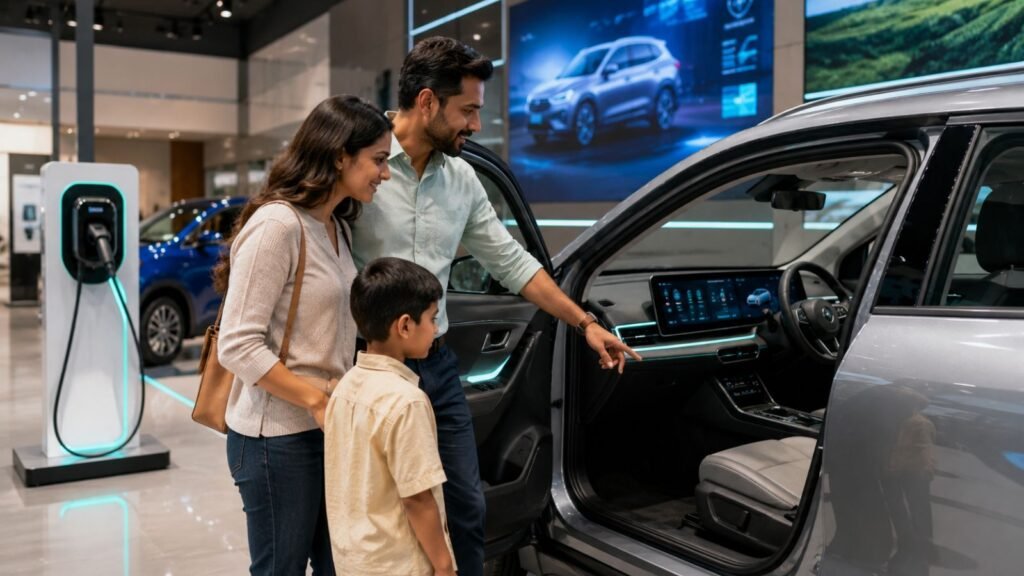
- Premium Cabin and Technology Features: Buyers are increasingly attracted toward connected car technology and immersive digital cockpit experiences. Modern EV platforms are now associated with advanced infotainment systems, connected vehicle technology, and premium cabin layouts
Why Buyers Are Facing 3 Month Waiting Periods
The current demand surge has significantly strained dealership inventories and production pipelines. One of the primary challenges mentioned is battery supply chain vulnerability. Delays in battery cell imports and production dependencies are extending vehicle delivery timelines for several manufacturers. The concentration of demand in high volume price segments below 30 lakh rupees has also intensified factory allocation pressure. Regional demand differences are another important factor, with certain states and cities witnessing accelerated EV adoption rates causing dealership inventory shortages in specific regions.
How Buyers Can Navigate the Long EV Waiting Period
- Pre Book Early: Secure dealership queue positions as early as possible since waiting periods may continue increasing
- Check Cancelled Inventory: Ask dealerships about cancelled bookings that match preferred specifications to secure earlier delivery slots
- Explore Regional Inventory Variations: EV demand varies considerably across different regions. States such as Kerala and Karnataka are seeing accelerated EV adoption rates, while other regions may temporarily have better stock availability
- Choose Brands With Diverse Supply Chains: Manufacturers that operate local battery assembly facilities or maintain multiple battery sourcing agreements may face fewer production disruptions
- Consider Alternative EV Models: Consumers facing extremely long waiting periods may explore alternative models from other manufacturers that have healthier production pipelines
What Buyers Should Prepare During the Waiting Period
- Home Charging Setup: Install a dedicated AC home charging system before vehicle delivery. Coordinate with housing societies or qualified electricians to ensure the home electrical system can support EV charging requirements
- Mapping Public Charging Infrastructure: India public EV charging ecosystem has crossed 26,000 charging installations. Download EV charging applications and map DC fast chargers along regular travel routes
- Secure Specialized EV Financing: Several financial institutions are now offering green vehicle financing products and preferential EV loan interest rates
Best EV Segment Based on Budget and Weekly Driving Needs
Budget EV Segment: Under 15 Lakh Rupees
This category is designed primarily for city commuters and buyers seeking affordable operational efficiency.
| Model | Battery Capacity | Range per Charge | 200 km/week Charging | 500 km/week Charging | 500+ km/week Charging |
|---|---|---|---|---|---|
| Tata Tiago EV | 19.2 kWh to 24 kWh | 200-250 km | One charge per week | Two to three charges per week | Less practical |
| Tata Punch EV | 25 kWh to 35 kWh | 250-300 km | One charge per week | Two charges per week | Less practical |
| MG Windsor EV | 38 kWh | 300-330 km | One charge per week | One to two charges per week | Less practical |
Budget EV Segment Charging Frequency Recommendations
- 200 km per week: One charge per week is generally sufficient. Real world driving ranges typically deliver 200 to 250 km per charge
- 500 km per week: Drivers may require charging two to three times per week
- More than 500 km per week: The segment becomes less practical unless users have reliable home charging or frequent access to fast charging infrastructure
This category mainly suits urban commuters with moderate travel distances.
Mid Tier EV Segment: 15 to 25 Lakh Rupees
The mid tier segment is positioned as the sweet spot for long range highway users who also want premium features.
| Model | Battery Capacity | Range per Charge | 200 km/week Charging | 500 km/week Charging | 500+ km/week Charging |
|---|---|---|---|---|---|
| Maruti Suzuki e Vitara | 49 kWh | 400-450 km | Once every 10-12 days | One to two charges per week | Highly practical |
| Mahindra BE 6 | 59 kWh | 450-500 km | Once every 10-12 days | One to two charges per week | Highly practical |
| Tata Nexon EV | 40.5 kWh | 350-400 km | Once every 10-12 days | One to two charges per week | Highly practical |
| Hyundai Creta Electric | 51.4 kWh | 450-500 km | Once every 10-12 days | One to two charges per week | Highly practical |
Mid Tier EV Segment Charging Frequency Recommendations
- 200 km per week: Charging may only be required once every 10 to 12 days
- 500 km per week: One to two charging sessions per week are generally sufficient
- More than 500 km per week: The segment remains highly practical due to strong real world driving ranges and efficient charging cycles
This segment balances affordability, long distance capability, and premium comfort features.
Premium EV Segment: Above 25 Lakh Rupees
The premium EV category focuses on luxury, ultra fast charging capabilities, and long range performance.
| Model | Battery Capacity | Range per Charge | 200 km/week Charging | 500 km/week Charging | 500+ km/week Charging |
|---|---|---|---|---|---|
| BYD Seal | 61.4 kWh to 82.5 kWh | 500-580 km | One charge every two weeks | Single weekly full charge | Seamless with fast charging |
| Kia EV6 | 77.4 kWh | 500-550 km | One charge every two weeks | Single weekly full charge | Seamless with fast charging |
| BMW iX1 | 66.5 kWh | 450-500 km | One charge every two weeks | Single weekly full charge | Seamless with fast charging |
| Volvo EX40 | 78 kWh | 500-550 km | One charge every two weeks | Single weekly full charge | Seamless with fast charging |
Premium EV Segment Charging Frequency Recommendations
- 200 km per week: One charge every two weeks may be sufficient
- 500 km per week: A single weekly full charge can comfortably support driving requirements
- More than 500 km per week: The segment remains highly seamless for heavy drivers due to fast charging support and large battery capacities
The information also notes that premium EVs can often charge from 10 percent to 80 percent in under 30 minutes using high speed DC fast charging systems.
EV Charging Segment Summary Table
| Weekly Driving Distance | Budget EV (Under ₹15 Lakhs) | Mid Tier EV (₹15-25 Lakhs) | Premium EV (Above ₹25 Lakhs) |
|---|---|---|---|
| 200 km per week | One charge per week | One charge every 10-12 days | One charge every two weeks |
| 500 km per week | Two to three charges per week | One to two charges per week | Single weekly full charge |
| More than 500 km per week | Less practical without home charging | Highly practical | Seamless with fast charging |
Conclusion
India electric vehicle market is entering a major growth phase as consumers rapidly transition toward clean mobility solutions. The current 50 percent surge in EV demand reflects a broader shift driven by rising fuel prices, climate concerns, lower operating costs, and increasing demand for advanced automotive technology. Although three month waiting periods have become common across several EV categories, buyers can still improve delivery timelines by booking early, checking regional inventories, evaluating alternative models, and preparing charging infrastructure in advance. The growing EV ecosystem now offers practical options across budget, mid tier, and premium segments, making electric mobility increasingly accessible for both urban commuters and long distance highway users. As charging infrastructure expands and production capacities improve, the Indian EV market is expected to continue evolving rapidly in the coming years.
Frequently Asked Questions
Q1. How much has EV demand grown in India in 2026?
A1. According to the provided information, local EV demand has surged by nearly 50 percent, creating extended delivery waiting periods up to three months.
Q2. What are the main reasons behind the EV demand surge?
A2. The main reasons include rising fuel costs, extreme heat and climate concerns, lower operating costs of nearly 80 percent compared to petrol vehicles, and premium cabin technology features.
Q3. How can buyers reduce EV waiting periods?
A3. Buyers can pre book early, check cancelled inventory, explore regional inventory variations, choose brands with diverse supply chains, and consider alternative EV models.
Q4. Which EV models are available in the Budget EV segment under 15 lakh rupees?
A4. Popular models in the Budget EV segment include Tata Tiago EV, Tata Punch EV, and MG Windsor EV.
Q5. Which EV segment is best for 500 km weekly driving?
A5. The mid tier EV segment (15 to 25 lakh rupees) is highly practical for 500 km weekly driving with one to two charging sessions per week, while premium EVs offer seamless performance for heavy drivers.