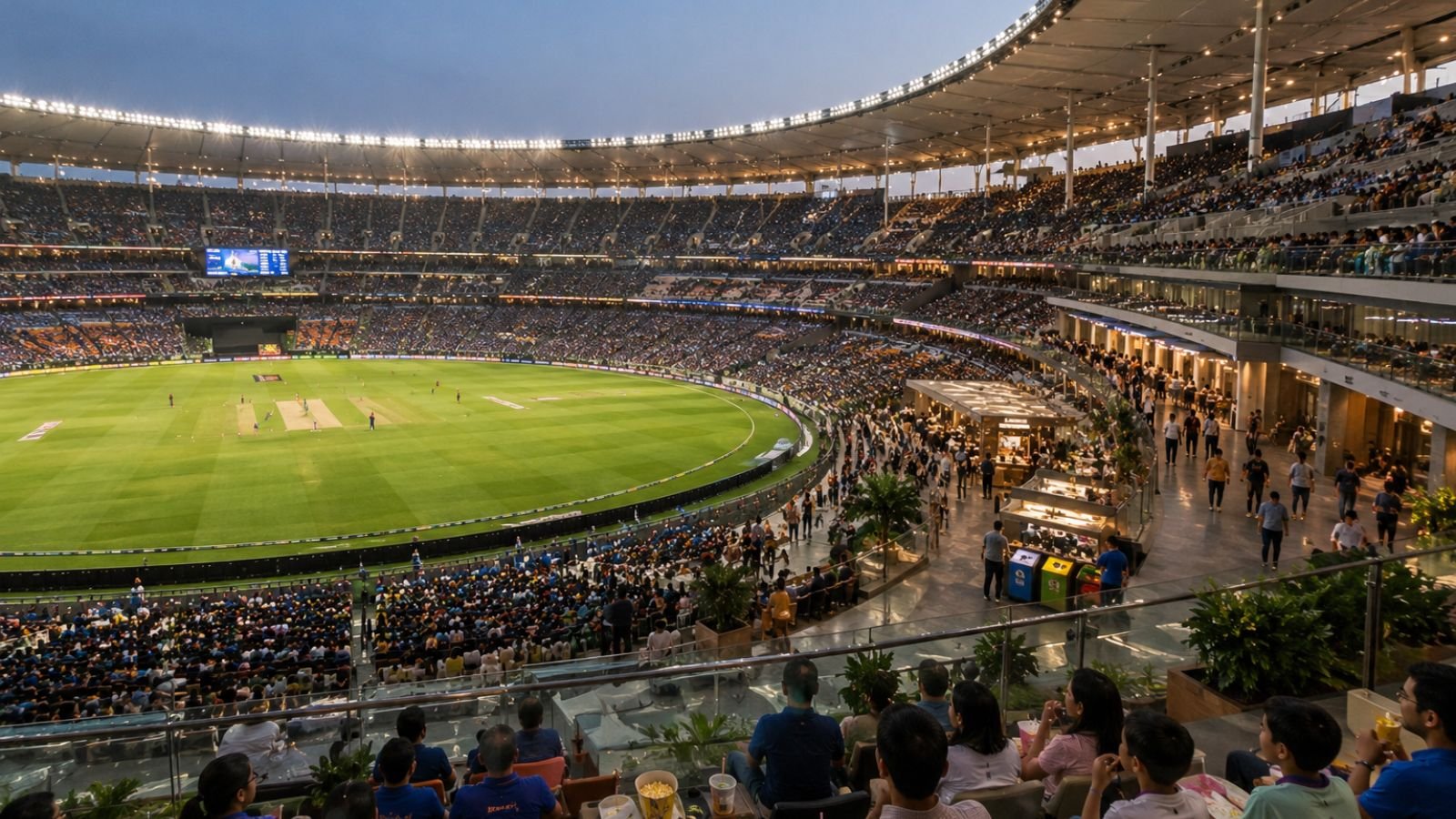
Former IPL commissioner Lalit Modi has sparked widespread discussion after making strong remarks about India premier cricket venue. During a video interview shared across social media platforms, Modi said that if given the opportunity, he would demolish and rebuild the stadium completely to create a modern, fan first entertainment destination that remains active throughout the year rather than only on match days. His comments quickly attracted attention from cricket fans, social media users, and sports followers, triggering debates about stadium infrastructure, spectator facilities, commercialization, and governance in Indian cricket. While many supporters agreed with his criticism of fan amenities and stadium conditions, others questioned his credibility and pointed to his own controversial legal history.
Lalit Modi Vision for a Modern Cricket Stadium
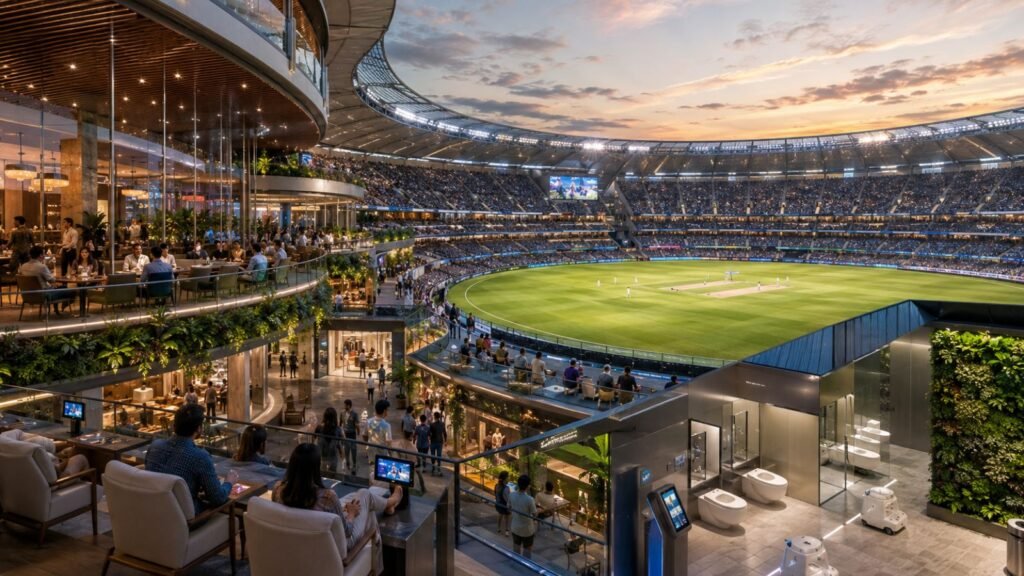
According to the statements shared in the interview, Lalit Modi believes that modern cricket venues should offer far more than just seating arrangements for match day spectators. His vision centers around transforming stadiums into year round entertainment destinations where fans can enjoy quality facilities, efficient movement systems, dining options, and family friendly environments. Instead of operating only during cricket matches, he suggested that stadium infrastructure should remain useful throughout the year, attracting visitors through shopping, entertainment, and hospitality facilities. This concept reflects a growing global trend where sports venues function as multi purpose destinations rather than event specific structures.
Why Lalit Modi Criticized Existing Stadium Infrastructure
A major focus of Modi criticism was the overall fan experience. He argued that spectators often spend several hours inside stadiums, sometimes accompanied by children and family members. In such situations, basic amenities become extremely important. According to his observations, many stadiums still struggle to provide the level of comfort expected from venues hosting some of the world biggest sporting events. His criticism was not limited to one area but covered several aspects of the spectator experience.
Poor Fan Experience Remains a Key Concern
One of the strongest points raised in the discussion involved the overall match day experience. Modi suggested that while cricket remains enormously popular, many fans continue to face issues related to comfort, hygiene, and convenience inside stadiums. For spectators attending long duration matches, factors such as clean facilities, food availability, seating quality, and crowd management can significantly influence their experience. The argument presented was that stadium infrastructure should evolve alongside the commercial growth of cricket. As attendance numbers increase and ticket prices rise, expectations regarding facilities also continue to grow.
Gujarat Titans Team Bus Fire After IPL 2026 Final
Demand for Better Washrooms and Premium Amenities
Another major criticism involved the quality and quantity of public amenities. Modi proposed replacing minimal facilities with significantly upgraded infrastructure, including:
- Large numbers of self cleaning washrooms
- Premium quality restroom facilities
- Modern escalator systems
- Improved food preparation areas
- Enhanced restaurant options
- Better visitor convenience services
The emphasis was on creating facilities that match international hospitality standards. For families, elderly spectators, and visitors attending full day matches, such improvements could potentially make the overall experience more comfortable and accessible.
Faster Entry and Exit Systems
Crowd movement was another area highlighted in the discussion. Modi argued that entering and leaving a stadium should be a quick and efficient process. According to his vision, spectators should be able to move in and out within minutes rather than spending extended periods navigating congestion. Efficient transportation and crowd flow systems are increasingly becoming important considerations for large sporting venues worldwide. Reducing bottlenecks and improving accessibility can significantly improve visitor satisfaction.
Stadiums as Year Round Entertainment Hubs
Perhaps the most ambitious part of Modi proposal was the idea of transforming stadiums into entertainment complexes that remain active throughout the year. Rather than serving only cricket matches, he suggested that venues could include shopping facilities, dining zones, entertainment spaces, family attractions, visitor services, and modern cooling infrastructure. Under this model, stadiums would function as major urban destinations even when no sporting events are taking place. The objective would be to maximize visitor engagement and improve long term infrastructure utilization.
Concerns About Spectator Comfort
The discussion also touched upon climate related challenges. Large stadiums often host events during periods of extreme heat, making cooling and ventilation important factors. Modi suggested incorporating modern cooling technologies that could improve spectator comfort during high temperature conditions. Comfort focused infrastructure could potentially encourage longer visits and create a more enjoyable experience for families and casual fans.
Allegations Regarding Stadium Administration
Beyond infrastructure, Modi directed criticism toward cricket administration systems. He argued that revenue generation often receives greater emphasis than spectator welfare and convenience. According to the remarks highlighted in the discussion, stadium management priorities should focus more heavily on public experience rather than purely commercial objectives. These comments contributed to wider debates regarding how sporting venues balance profitability with fan satisfaction.
Social Media Reactions: Strong Support for Fan Concerns
The interview quickly gained traction online. Many cricket fans expressed agreement with Modi observations regarding stadium conditions.
Supporters of his comments highlighted several recurring concerns:
- Infrastructure Issues: Many users stated that spectator facilities in some venues do not match the scale and popularity of major cricket tournaments. They argued that improvements in seating, hygiene, accessibility, and crowd management would significantly enhance the overall experience
- Washroom and Cleanliness Complaints: A common theme among supportive responses involved restroom facilities. Numerous users reportedly agreed that washroom quality, maintenance standards, and cleanliness remain important areas for improvement
- Concerns About Fan Exploitation: Some fans suggested that passionate cricket supporters often continue purchasing tickets despite infrastructure shortcomings. According to this viewpoint, demand remains strong regardless of facility quality, reducing pressure on stadium operators to invest in major upgrades
Criticism Directed Back at Lalit Modi
While many agreed with the infrastructure concerns, not everyone supported the messenger.
| Criticism Type | Response |
|---|---|
| Look who talking | Many online reactions focused on the irony of Modi criticizing corruption and governance issues given his own controversial history |
| Calls for accountability | Some commentators stated that Modi should address his personal legal matters before offering governance related criticism |
These responses generated substantial debate across social media platforms and helped keep the discussion active.
Ahmedabad Water Contamination Incident
Debate Over Stadium Commercialization
Another major discussion emerged around the concept of turning stadiums into commercial entertainment hubs.
Supporters of the Idea
- Year round usage would improve infrastructure investment
- Create additional revenue opportunities
- Increase visitor engagement
- Enhance local tourism
- Improve facility maintenance
Critics of the Idea
- Questioned whether excessive commercialization could distract from the primary purpose of sporting venues
- Some believed stadiums should remain focused on sports while still improving spectator facilities
This divide created a broader conversation about the future direction of sports infrastructure development.
Why the Discussion Matters
Regardless of opinions about Lalit Modi personally, the discussion has highlighted important questions about the future of cricket venues in India. As cricket continues to grow commercially, expectations regarding cleanliness, accessibility, comfort, food services, crowd management, safety, and family friendly facilities are also increasing. Modern spectators increasingly compare their experiences with international standards and expect continual improvements.
Conclusion
Lalit Modi call to demolish and rebuild India premier cricket stadium has generated intense discussion across the cricket community. His criticisms focused on fan experience, infrastructure quality, washroom facilities, crowd movement, and the need for year round entertainment spaces. While many supporters agreed that stadium amenities require significant upgrades, others questioned Modi credibility and pointed to his own legal controversies. The debate has ultimately shifted attention toward a larger issue of how Indian cricket stadiums can evolve to provide a better experience for spectators while balancing commercial objectives and sporting traditions. Whether or not such large scale redevelopment ever occurs, the conversation has reignited public interest in improving the overall match day experience for cricket fans.
Frequently Asked Questions
Q1. What did Lalit Modi say about the Narendra Modi Stadium?
A1. Lalit Modi stated that if given the opportunity, he would demolish and rebuild the stadium completely to create a modern, fan first entertainment destination that remains active throughout the year.
Q2. What are the main criticisms raised by Lalit Modi about stadium infrastructure?
A2. He criticized poor fan experience, lack of quality washrooms, inefficient entry and exit systems, inadequate cooling, and lack of year round entertainment facilities.
Q3. What improvements did Lalit Modi suggest for cricket stadiums?
A3. He suggested self cleaning washrooms, premium restroom facilities, modern escalator systems, improved food areas, shopping zones, dining options, and modern cooling infrastructure.
Q4. How did social media users react to Lalit Modi statements?
A4. While many agreed with his concerns about stadium facilities, others questioned his credibility and pointed to his own controversial legal history.
Q5. What is the broader debate emerging from Lalit Modi criticism?
A5. The discussion has shifted to how Indian cricket stadiums can evolve to provide better spectator experiences while balancing commercial objectives and sporting traditions.